


On the IG line, the clock starts the moment the secondary seal hits the bead. If the curing heat is sluggish, uneven, or drifts, you’re forced to slow the cell or gamble on adhesion and edge-seal integrity. We built our industrial sealant curing system to stop that trade-off.
What matters under the hood
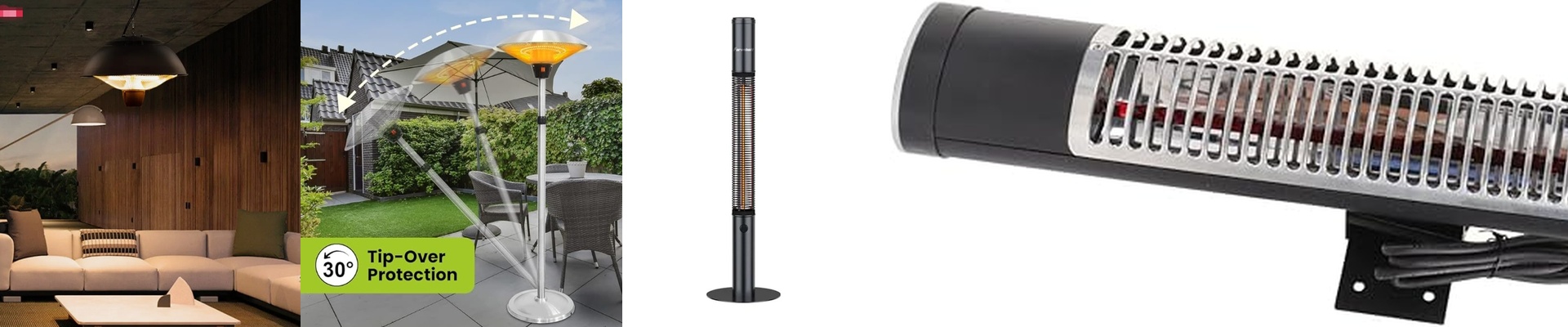
It’s a short-wave infrared module, engineered for glass-process duty: fast-response filaments, a controlled spectral profile, and reflector geometry that lays down a uniform thermal field across the bead. You get a tight temperature band at the sealant—energy delivered fast without scorching coatings or pushing heat into the primary seal. We size the unit to match your conveyor pitch and glass geometry, with power density tuned to line speed. In practice, that means repeatable cure profiles, not seat-of-the-pants adjustments.
Why it keeps up on a running line
Insulating glass cells move at production tempo. The module keeps pace by ramping the sealant to cure temperature quickly, then holding within a narrow window, so the secondary seal sets without holding up downstream handling. That means fewer line stops, consistent edge quality, and less scrap from under-cure or over-heat stress. Energy use drops because the heat goes where it needs to—straight into the sealant—cutting waste heat that would otherwise load the plant HVAC and throw off adjacent processes.
Here is what to expect on install
This is a line-integrated solution, not a bench-top heater. Installation means matching conveyor height and clearance, tying into your control interface, and aligning the unit to the bead path so you don’t create shadowing. Glass emissivity varies, and coating stacks change heat absorption, so commission with your standard spacer and sealant to lock in setpoints. Once aligned, it runs as a dependable, repeatable step in the IG sealing sequence.