Introduction
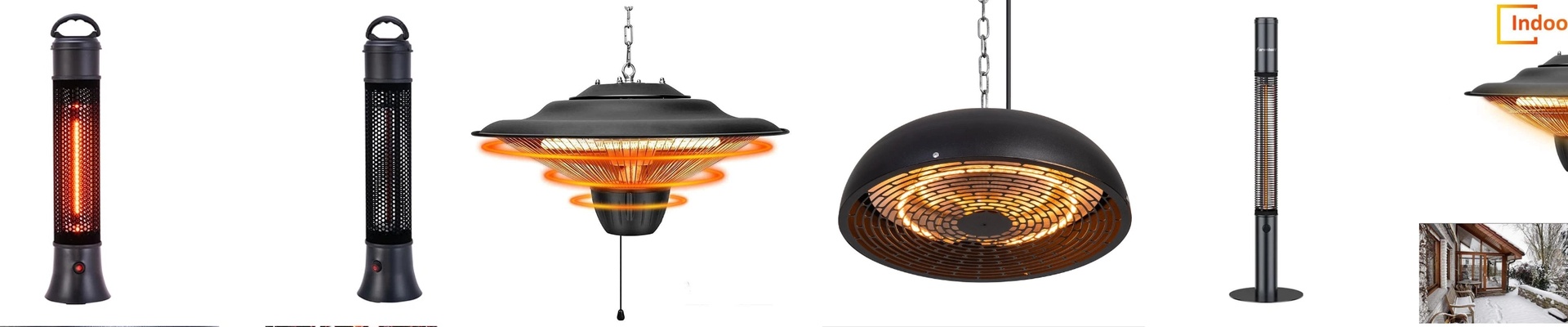
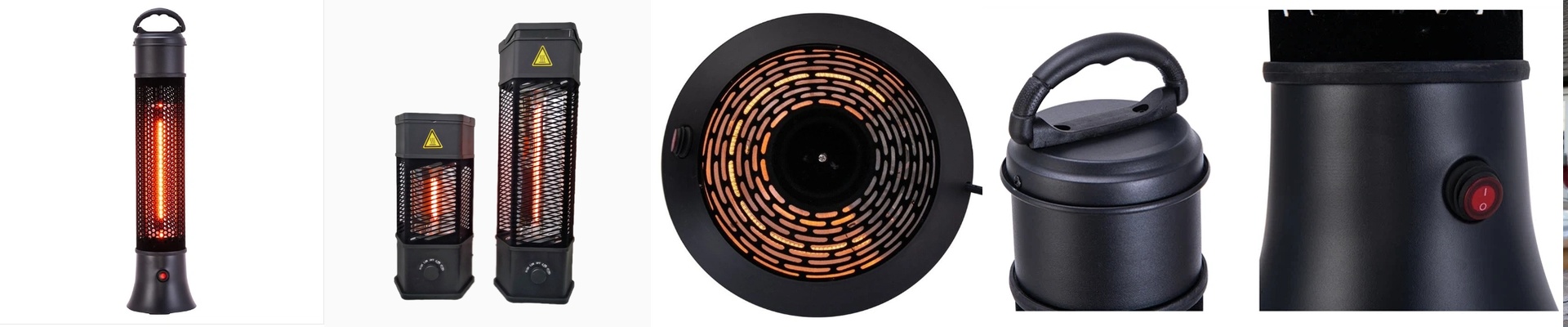
Picture this: you’re out there in the elements—wind, rain, the works—and you need heat. Not a flimsy little space heater that throws in the towel the second a draft hits it. We built this carbon fiber heater to be a workhorse. It’s the kind of infrared beast you can rely on when you’re running an exposed industrial space and need heat that actually holds its ground.
The Nitty-Gritty
Here’s the secret sauce: we’ve packed a carbon filament inside a tough quartz tube, then filled it with halogen gas. This combo isn’t just for show. It means you get steady, focused radiant heat—the kind that hits its target and stays there, even when the weather is doing its worst.
What Makes It Tick
We designed this thing to run on 400V. Why does that matter? Because it lets us cram a ton of power into a small package without forcing you to rewire everything. The whole unit is just 300mm long, so it slips into those tight spots—on machines, along conveyors, or even in outdoor enclosures. And it’s direct radiant heat. That means it warms up the people, parts, and processes you care about—fast. It doesn’t waste time (or energy) trying to heat the air around it.
Built to Last
The carbon filament inside can handle rapid heat-ups and the constant stress of heating up and cooling down without cracking. The quartz tube? It keeps the filament safe from oxygen and holds its own at high temps without getting soft. The halogen gas inside keeps the filament from evaporating, so the heater stays strong and consistent over time. That means a longer life for you. And when it comes to wiring, we went with an R7s connector. It’s a solid, industrial-grade choice that gives you a secure connection, holds tight, and makes installation a no-brainer.
Where It Shines
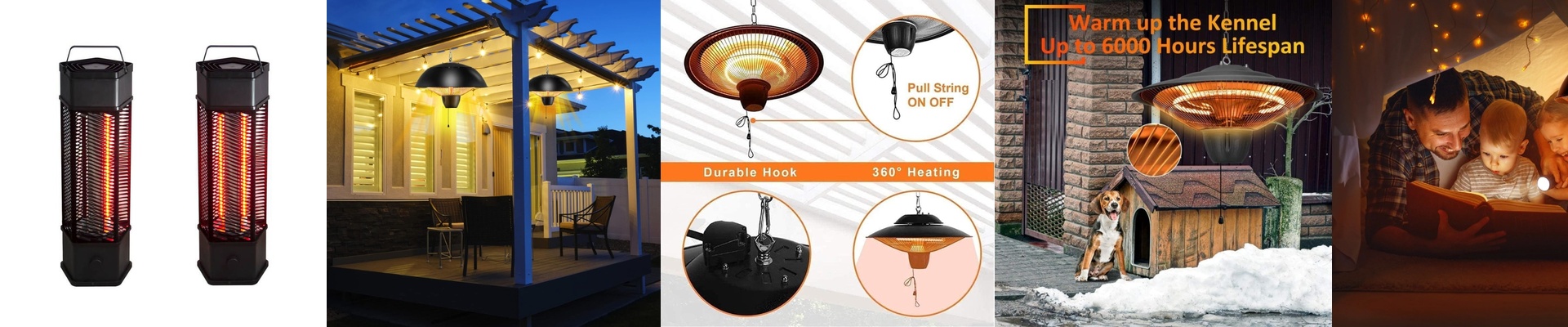
This heater is your go-to for outdoor process heating, defrosting equipment, or spot heating where you need heat on demand and a build that can take a beating. You get serious power density in a compact frame. But here’s the thing—with that kind of heat, you need to make sure the surrounding setup can handle it. Proper cooling and heat management are a must to keep everything running safely for your gear and your team.