



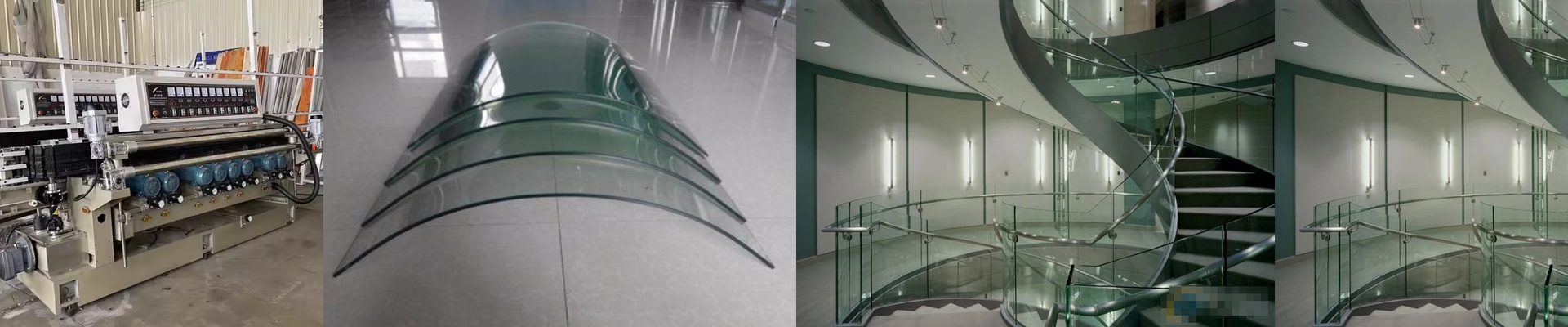
On the line, that furnace alarm isn’t just noise. It’s the sound of scrap piling up, orders slipping, and margins disappearing in a single shift. In glass processing—tempering, bending, lamination, coating drying, and insulating glass sealing—heat is never a simple on/off switch. It’s the lever that decides whether a batch passes inspection or ends up in the cullet. When heating is inconsistent, you pay three ways. First, yield loss from thermal stress fractures. Then, quality drift from uneven sag or curing. And finally, wasted energy from running hotter than needed just to cover the variability. The glass machinery market moves fast, and the buyers who stay ahead don’t buy by brand alone. They buy thermal performance that repeats—shift after shift, plant after plant.
What matters under the hood
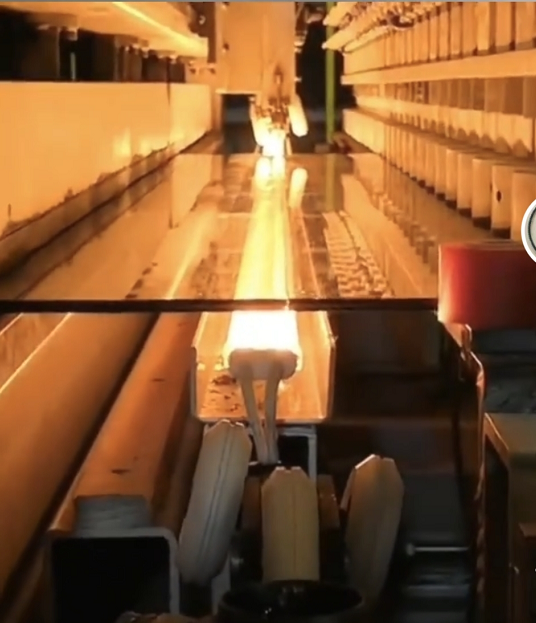
In industrial glass heating, the real question isn’t maximum temperature. It’s controllable heat transfer with stable uniformity. That starts with the heating source and how it couples energy into the glass and the tooling. We design heating modules around technologies that are predictable and serviceable. Short-wave quartz halogen for fast, high-intensity response. Medium-wave resistance elements for steady radiant output. Near-infrared (NIR) when you need rapid, targeted energy without soaking the chamber. In many modern lines, carbon fiber heaters show up where low thermal mass and fast ramp-up matter—especially in bending and press-bending tooling. The specs that matter are the ones you can feel on the line:
- Power density and response: A short-wave module hits setpoint quickly, which shortens cycle time and cuts the thermal lag that causes first-piece defects. In tempering, that translates to faster heating before quench, helping you keep flatness and edge quality in spec.
- Uniformity and field control: Non-uniform heating creates thermal gradients. In glass, gradients create stress. Stress creates breakage—often right at the most expensive point in the process. Zone-controlled heaters and reflector geometry are chosen to deliver a repeatable thermal profile across the load, not a hot spot in the middle.
- Emissivity and coupling: Coated glass, reflective low-e coatings, and tinted substrates absorb energy differently. The heating system has to deliver stable results across the coating stack, without forcing operators to chase setpoints by hand.
- Installation fit and compatibility: Most lines can’t afford downtime for redesign. Heating elements, mounting brackets, terminals, and connectors are engineered as drop-in replacements for common OEM footprints. Voltage and insulation are matched to plant standards and machine wiring.
- Energy draw at industrial scale: Energy isn’t an afterthought on the P&L. It’s a throughput cost. Efficient heaters cut kWh per part, lower peak demand, and reduce cooling load on the machine structure.
Why this plays across the whole process
Glass processing is a chain of thermal steps, and each link fails in its own way. Precision heating strengthens the chain where it matters most. Tempering lineslive or die on the heating-to-quench rhythm. If the furnace can’t hit and hold setpoint with tight uniformity, the glass enters quench at uneven temperature. The result is variable surface compression, edge quality issues, and spontaneous breakage down the road. A properly matched heating module reduces scrap from thermal shock and keeps the quench system working inside its design window. That’s how you keep yield up when you’re running thick and thin batches back-to-back. Bending and press-bendingdemand controlled sag. Too fast, and the glass thins in the middle. Too slow, and shape repeatability falls apart. Fast-response radiant heaters, often paired with zoned control, let the process follow a defined thermal curve instead of drifting with ambient shifts and door openings. The payoff is fewer optical distortions, fewer reworks, and a stable bending window the operator can trust. **Lamination (EVA, SGP, PVB)**is all about a tight thermal budget. The interlayer has to flow, de-air, and cross-link without boiling, without bubbles, and without edge dry-out. Overheat the surface while the core lags, and you get uneven adhesion and optical defects. Underheat, and you stretch cycle time and invite voids. Precision heating keeps the entire stack within the adhesive’s processing envelope, so first-pass yield goes up and rework goes down. Coating drying and curingare sensitive to overshoot. A coating can look fine and still fail adhesion or durability if the curing profile is wrong. Controlled heating removes the temptation to “run hotter to be safe,” which otherwise drives up energy use and increases the risk of coating stress and haze. Insulating glass sealingdepends on consistent heat to activate the primary sealant and manage the secondary seal cure. Uneven heat leads to inconsistent spacer bonds, and the unit can fail long-term durability tests. Stable heating improves seal repeatability—especially when you’re running multiple spacer widths and sealant chemistries. Across all of it, the wins show up where it counts: fewer breakages, less rework, stable cycle times, and predictable energy consumption. In global trade, that’s how you win bids and keep customers.
The details that make or break it
Even the best heating module can’t carry a bad system. Here are the plant-floor realities that matter. Installation and fitment: Heating elements are dimensionally sensitive. Clearance to adjacent components, contact pressure, and terminal alignment affect both performance and safety. Match the mounting footprint, lead length, and connector type to the machine’s existing interface. If the element is too loose or too tight, uniformity goes sideways and service life drops. Control compatibility: A new heater won’t fix an out-of-tune control loop. The PID tuning, sensor placement, and emissivity compensation have to match the process. On some lines, upgrading to zone control or updating the controller is part of the job. Thermal management of the machine: Faster heating changes the heat load on insulation, seals, and nearby components. Make sure the machine’s cooling and insulation are still adequate for the new profile. Otherwise you can gain cycle time and lose reliability somewhere else. Service life and replacement planning: Heating elements age. Output drifts, resistance changes, and connections can loosen. Treat heating modules as scheduled maintenance, not failure-to-replace. Keep spares on hand for the most common sizes and voltages. Energy savings are real, but not automatic: Savings depend on how the line is run. If you were running long soaks to cover variability, you can capture real kWh. If the line is already optimized, savings come from tighter control and fewer scrap cycles. Global glass machinery trade rewards plants that can prove repeatable quality and stable uptime. In glass processing, that proof starts with heat—measured, controlled, and held steady. If your line is fighting thermal drift, breakage, or inconsistent lamination and sealing, you don’t need a major overhaul as your first move. Put the heating under control with a module that fits, performs, and lasts.