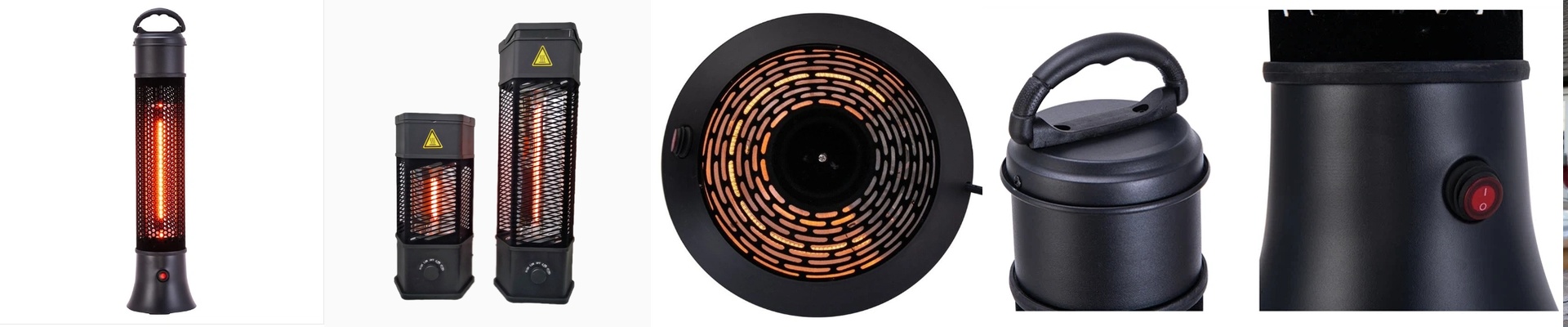
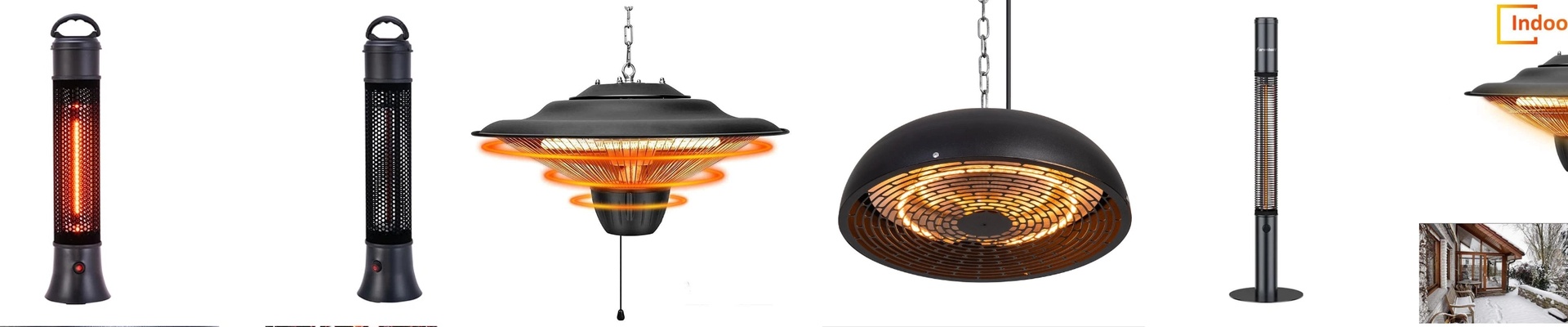
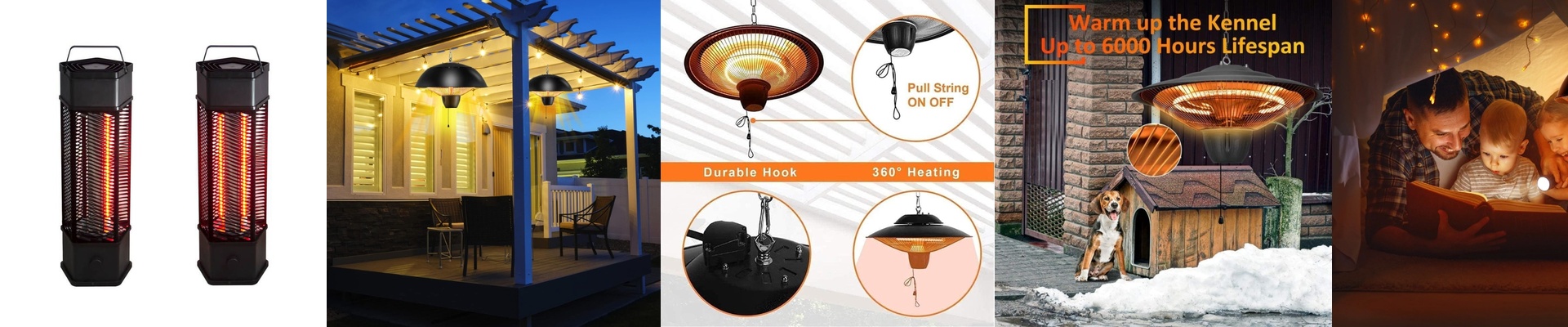
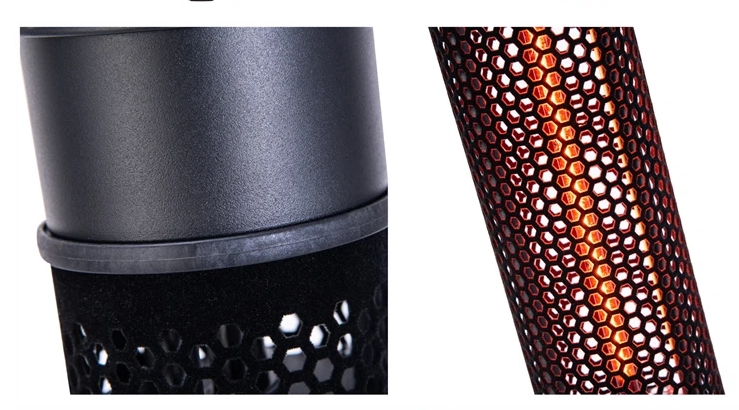
Custom Logo Halogen Space Heaters: Built for the Industrial Grind
We design these custom logo heaters for engineers who need heat that hits the mark—right where you need it, and nowhere else. This isn’t some flimsy home heater. It’s a compact, industrial-strength halogen unit, built from the ground up to match your exact specs. We’re talking wattage, voltage, physical size—whatever your setup demands.
The Power Behind the Heat
Here’s the guts of it: a high-intensity halogen element. These things run from 300W all the way up to 2500W. And we can set them up for the voltage you need, whether that’s 110V, 220V, or 400V. That 400V option? It’s perfect for those long production lines where you need to string a bunch of heaters together without the power fading. But it does mean you need a control circuit that can handle the load. And the tube length? We match that to the job, too. You’ll find them anywhere from 300mm to 1500mm long. That way, the heat lands exactly where you want it, no more, no less.
Built to Take the Heat
We use quartz tubes packed with halogen gas, housing a coil inside that can handle the shock of heating up and cooling down, over and over again. The tube surface gets a special coating, which does two great things: it cuts down on the glare and reduces the UV. So, your operators are safer and more comfortable. For the wiring, we stick with the R7s connector. It snaps in fast and can handle the intense heat right at the terminal. And if you’re working in a tough, shaky environment, we can spec out SK15 connectors. They’re built to resist vibration and keep out the grime.
Heat, Right Where You Need It
These heaters work by throwing direct radiant heat. So you’re warming up the parts and surfaces that matter, without wasting a ton of energy trying to heat the air around them. And that custom logo? It’s more than just a branding exercise. It’s a practical tool. It makes model identification a snap and speeds up replacing spares on the shop floor. Now, a heads-up: this kind of heat is intense. That means the machine around it needs to be ready to handle that heat, or the control system has to include proper thermal management. It’s all part of the design.