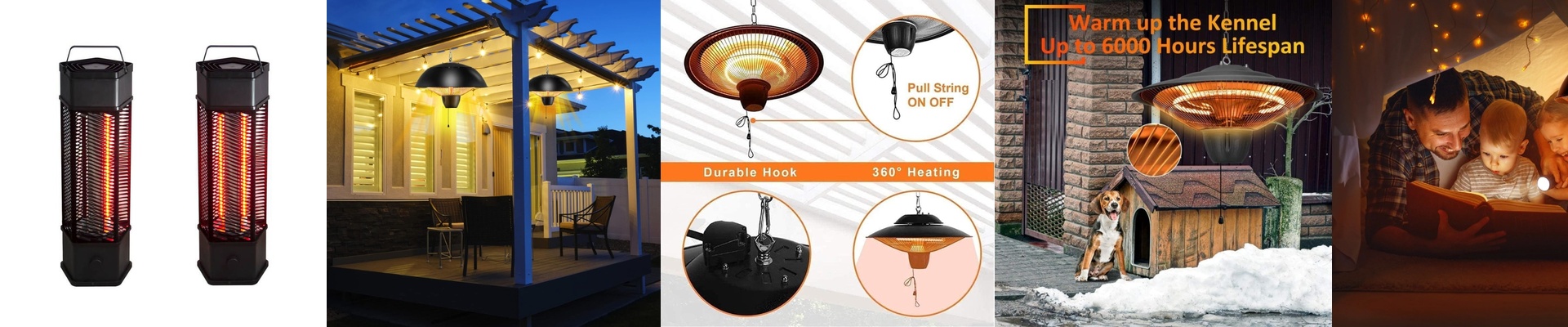
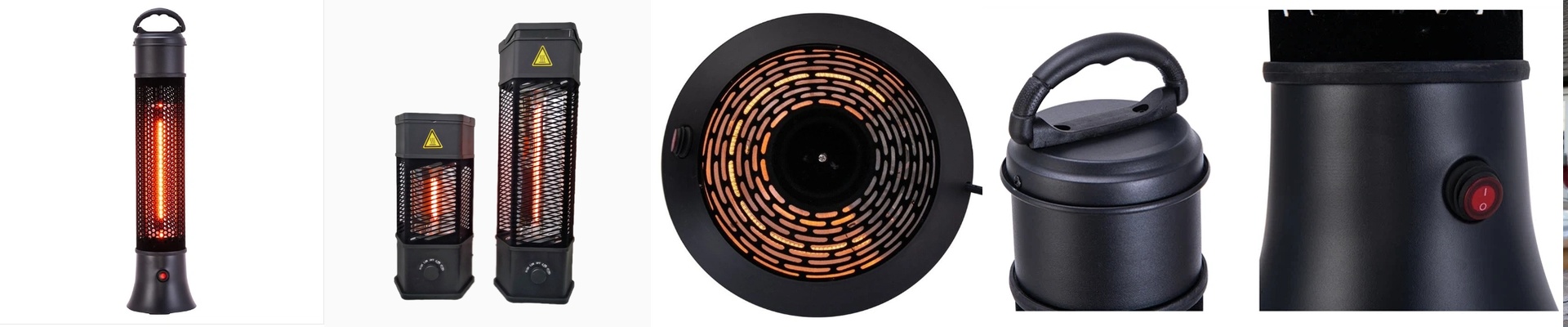
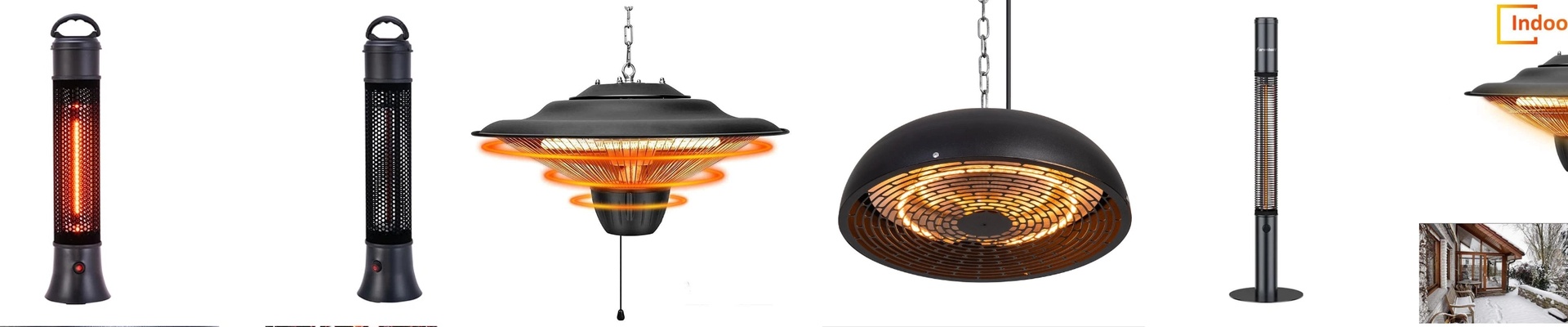
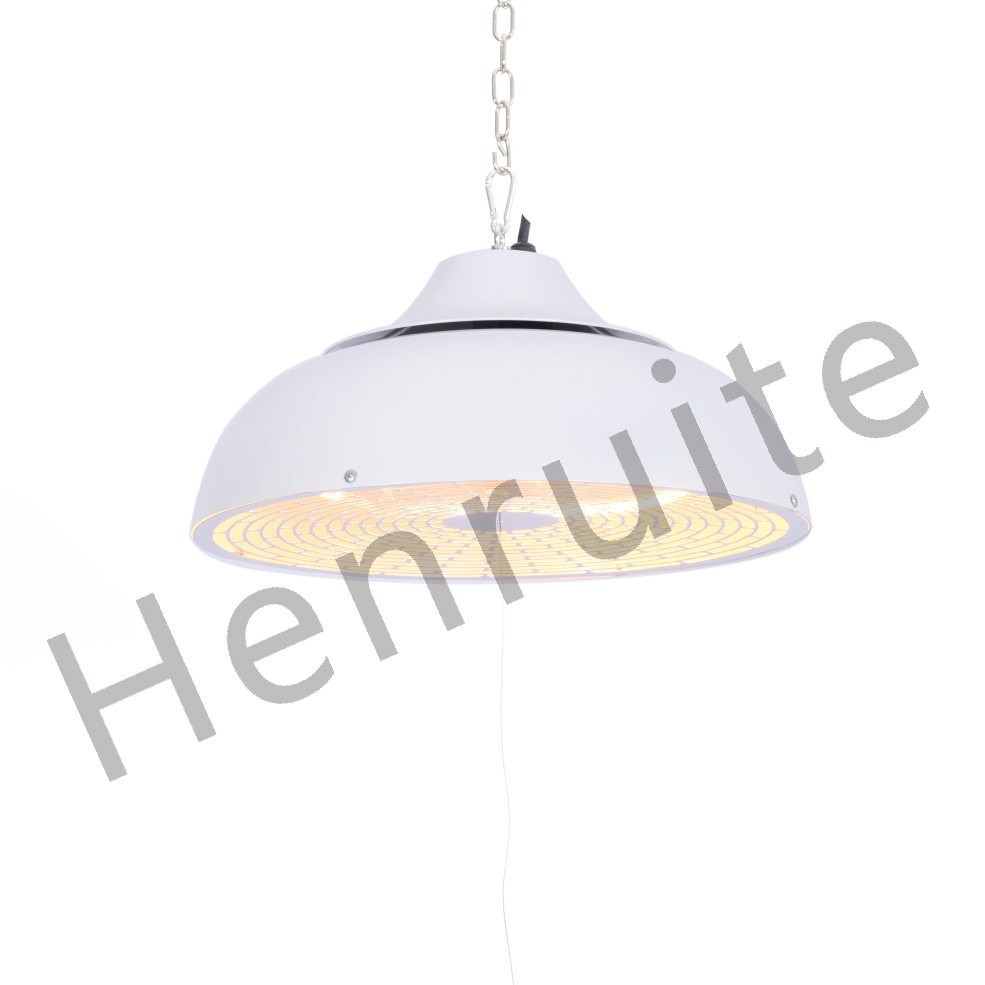
A dust mote drifts through a display window and lands on a priceless garment. In a lab, a one-degree swing can blow up an entire run. Traditional heaters stir air, lift dust and particulates, and create uneven hot spots. We built our luxury electric infrared heaters to sidestep those issues completely.
What matters under the hood
We lean on short-wave infrared with quartz elements, delivering radiant warmth that travels in straight lines and heats objects and people directly. No fans means no air movement—so delicate samples and exhibits stay undisturbed. The system runs silent, produces zero dust, and doesn’t dry the air in a way that can harm sensitive materials. Control is tight: a digital thermostat holds the setpoint within ±1°C, and the instant-on response keeps things stable when doors open and close.
Why this approach fits
In display windows, you get a consistent microclimate that protects fabrics, finishes, and colors against temperature swings—while the scene stays clean and visible. In labs, the lack of airflow cuts down on airborne contamination, and the even radiant field supports repeatable conditions across workbenches. Because the heat goes where you need it, you’re not wasting energy warming empty air, and you avoid the maintenance cycles that come with ducted systems.
The practical details
Installation is straightforward—high output usually means a hardwired 240V setup—but placement is key. Keep the heater at a safe distance from curtains, signage, and anything flammable, and aim the beam so it covers the target zone evenly. In very humid environments, pick the right IP-rated housing. Expect the element to run hot at the surface; that’s just how radiant heat works. Plan it right, and you get clean, precise warmth you can count on.