
The Power Behind the Heat: A Quick, Real-Talk Breakdown
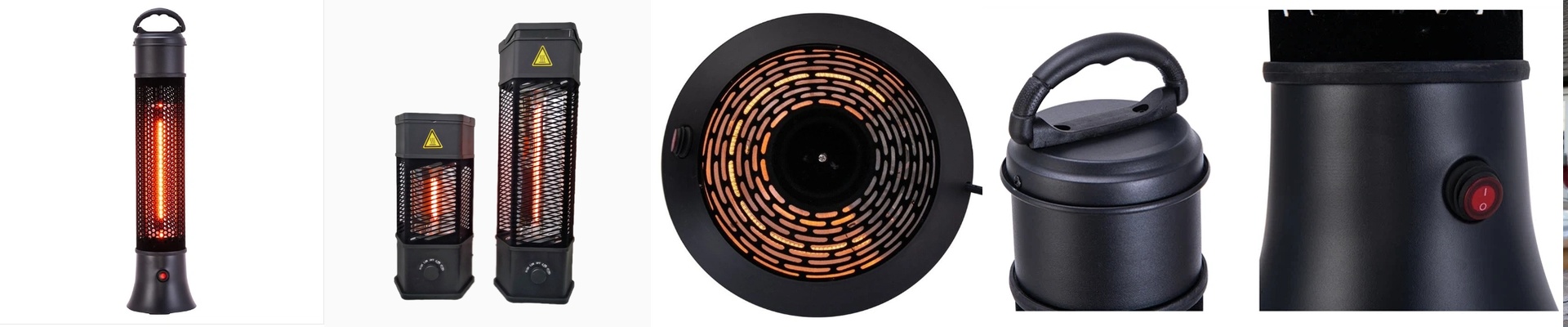
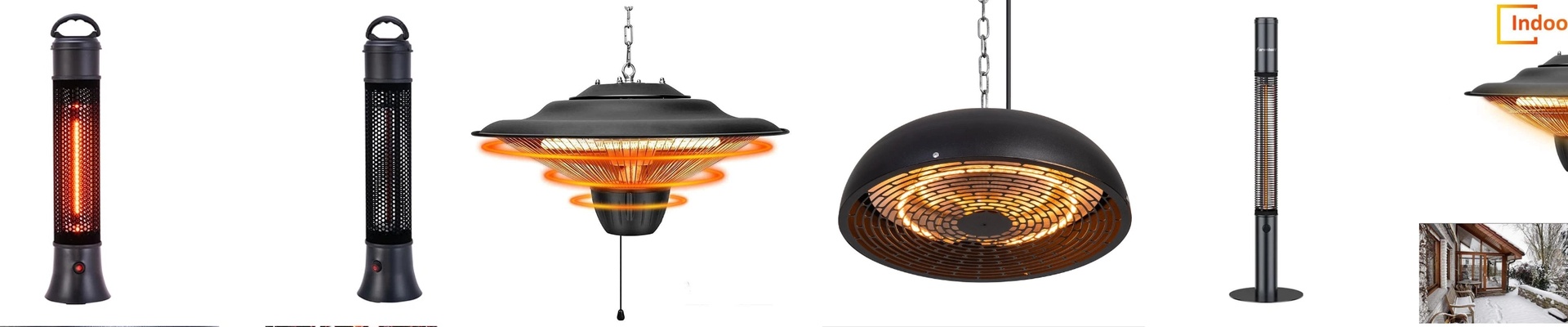
Here’s the thing about this attic heater: we built it to run on 400V, not the usual 230V. Why? Because that lets us pack 2500W of serious heat into a tube that’s only 300mm long. And that’s not just a random choice. Running on higher voltage means we can keep the current lower for the same power. The payoff? Thinner wires, less voltage drop, and terminals that stay much cooler. The short length is just as deliberate. It gives you a tight, focused heat footprint. You’re not wasting energy warming up the whole space. You’re zeroing in on exactly where you need it—a small work area, a valve manifold, a specific air path.
What’s Inside: The Simple, Rugged Design
The heart of it is a halogen-filled quartz tube. That’s what lets it heat up hotter and faster than standard elements. The halogen chemistry keeps the filament stable, which means the output stays strong over time and it resists burning out too soon. The quartz itself can handle rapid heating and cooling, and those high surface temps, without breaking a sweat. And there’s a reflective coating on the tube. It does one simple job: it pushes more infrared energy forward, so the heat goes right where you want it. Then there’s the R7s base. It’s just a tough, straightforward connector. You wire it up, lock it in, and it stays put—even when things are shaking and vibrating.
Built for the Tough Spots
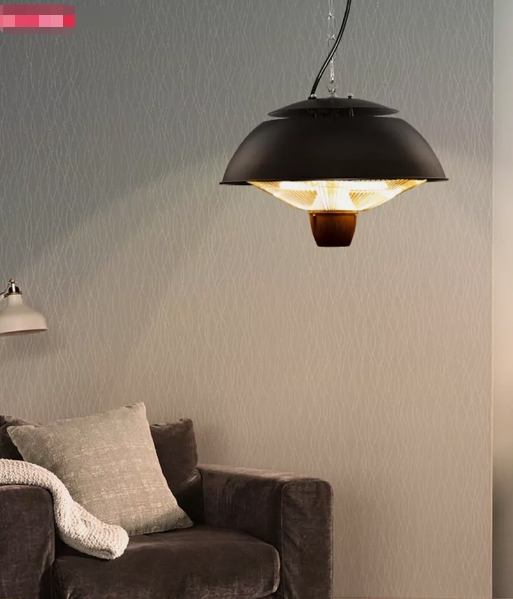
This whole setup was engineered for attics and tight, confined spaces—places where you need a lot of heat in a small package. The 400V, 2500W output means it warms up fast and gives you steady, controllable heat for spot work. But let’s be real. Packing 2500W into 300mm has a trade-off. It needs proper airflow or heat sinking. So your enclosure and cooling setup has to be up to the task. If you need a heater that installs quickly, holds steady, and can take a serious beating in harsh environments, this one was built for exactly that.