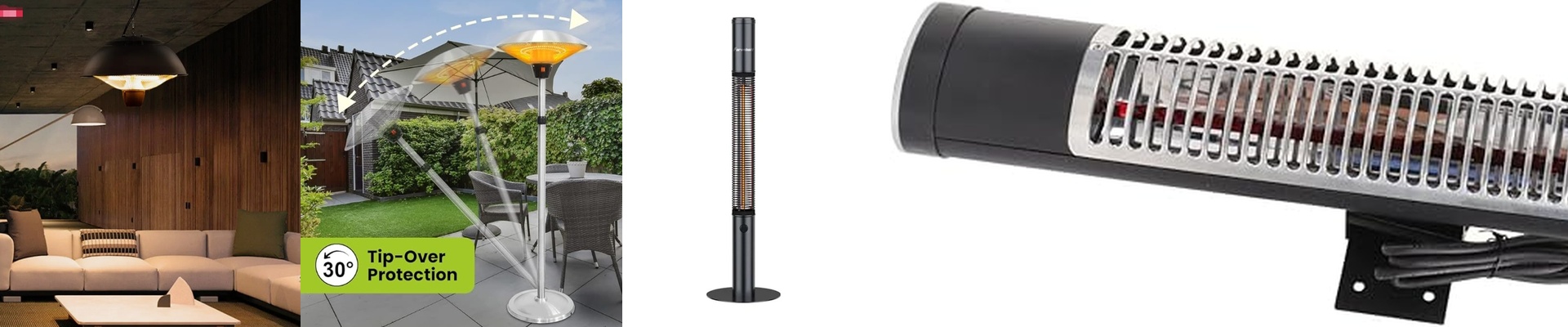
Why the best outdoor heaters are built to take a soaking
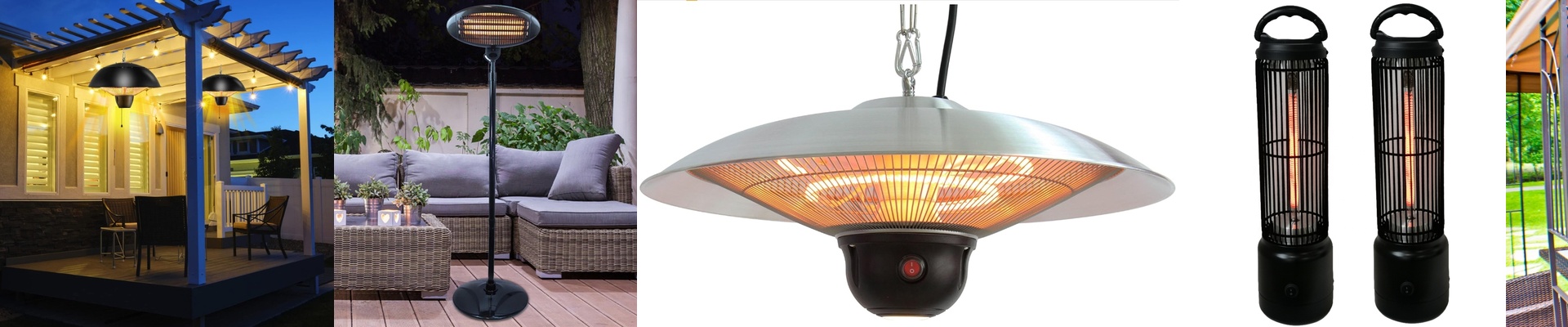
Here’s what’s happening in industrial and outdoor heating: high-waterproof infrared heaters are taking over from old-school lamps. And honestly, it makes total sense. Traditional lamp heaters just can’t handle moisture. They get water inside, and that’s it—they burn out early, and the electrical problems start piling up. Our infrared heaters are built to a serious waterproof standard. Rain. High humidity. It doesn’t matter. We’re not just keeping the heating element dry. We’re protecting the entire electrical setup, so the unit keeps doing its job—whether it’s on a bar patio or in a steamy bathroom.
How infrared heat actually feels (and what makes it work)
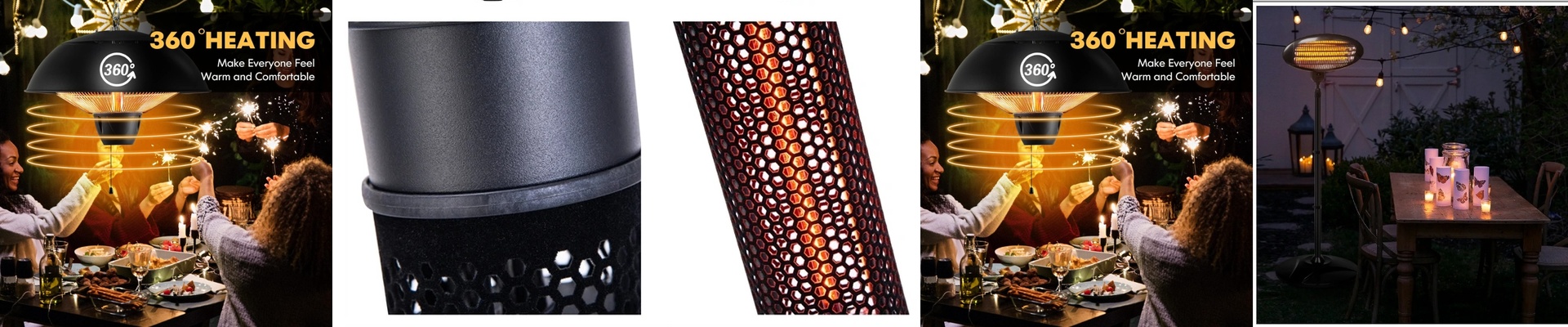
Infrared doesn’t waste time warming the air. It sends heat straight to the people and objects that need it. That’s a big difference from convection heating. Inside, you’ve got a high-efficiency quartz tube that delivers focused, powerful warmth. The wattage and voltage are chosen to hit the right heat density for the space. On a bar patio, the output is tuned to cover the area quickly, while keeping the surface temperature safe. The tube’s size and shape shape the heat pattern, so you get even warmth without hot spots.
The heart of the heater: quartz, and a connector that won’t quit
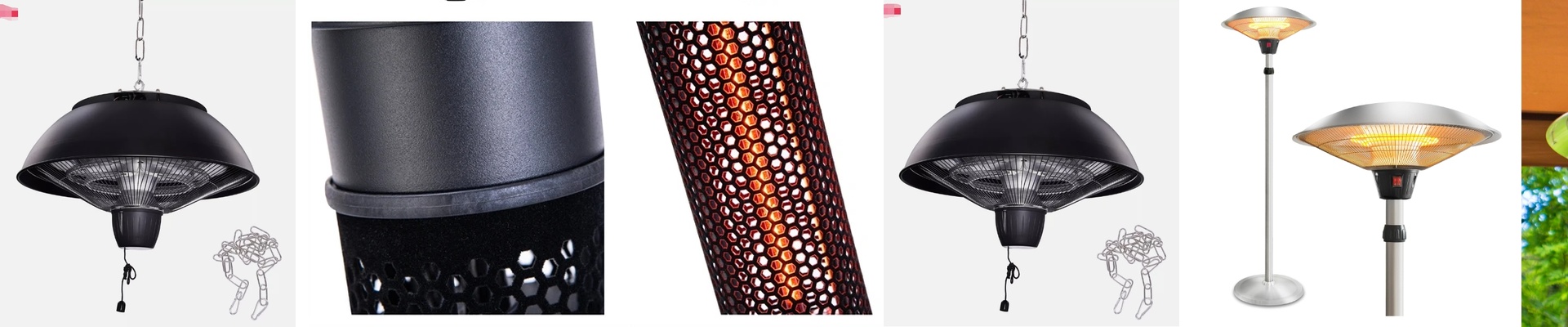
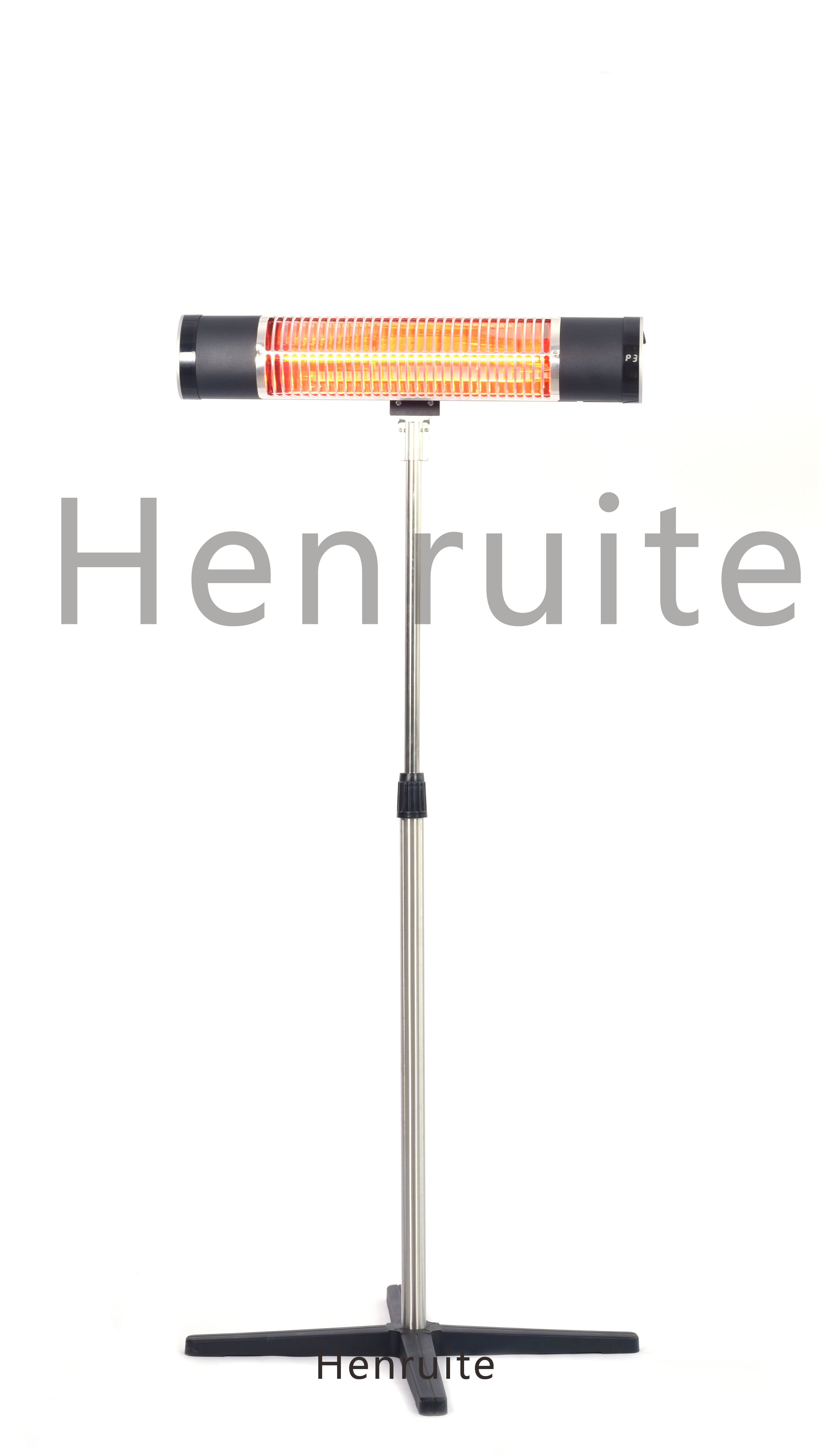
The core is the quartz tube—often halogen-filled—so it heats up fast and stays stable. It handles sudden temperature swings without cracking, which is where cheaper glass heaters always fail. We pair that with an R7s connector. It’s double-ended, secure, and low-resistance. It’s easy to wire, and it carries high current without getting hot under pressure. Then the waterproof housing seals the whole assembly, so the connector and element stay protected, no matter what the weather throws at them.
Built for the real world—and the trade-offs that come with it
This setup was made for engineers who need a drop-in replacement that can take a beating. In a bar patio or bathroom, the heater has to run continuously, deal with moisture, and need as little maintenance as possible. The high waterproof rating means you can install these outdoors without adding extra protective enclosures. That saves time and money on the install. But there’s a trade-off: heat density. A high-output infrared heater produces a lot of localized warmth. So you need to plan your mounting spot with proper clearance, and make sure the surrounding electrical setup can handle the heat load. We build these to be workhorses, but you still have to match the installation to the output.
What you actually get with this setup
This isn’t about flashy claims. It’s about practical performance. You get rapid warm-up with high heat density. Installation is simpler with standard connectors. And because the unit resists environmental damage, maintenance drops dramatically. The result is a heater you can rely on—one that fits the demands of modern upgraded spaces.
The straight story on infrared
Infrared heating isn’t just a passing trend. It’s a thoughtful upgrade, driven by physics, materials, and the need for performance you don’t have to baby. For engineers spec’ing a job, that means fewer callbacks and a system that behaves exactly as intended—even when the weather turns ugly. And when you’re dealing with wet, unpredictable conditions, the smart call is a heater built to survive them. Our infrared units do exactly that.