The credits roll, the bass drops, and then you hear it—the faint hum of forced air that pulls you right out of the moment. In a home theater, even a whisper of mechanical noise breaks the spell. You want warmth, but not at the expense of audio purity.
What matters under the hood
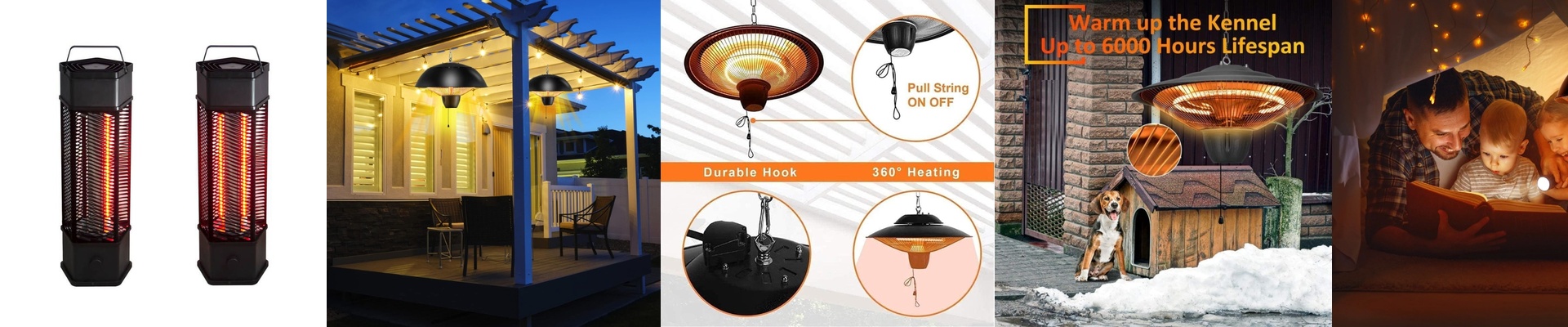
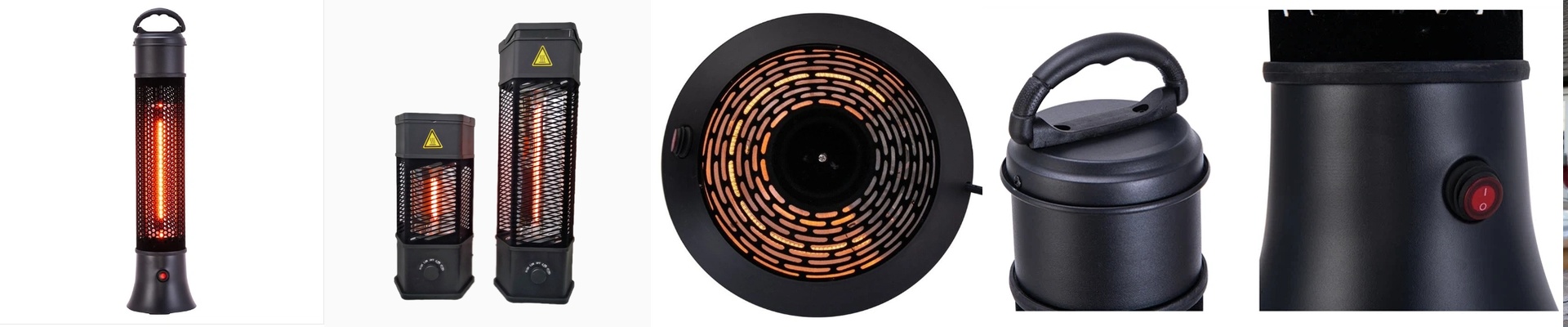
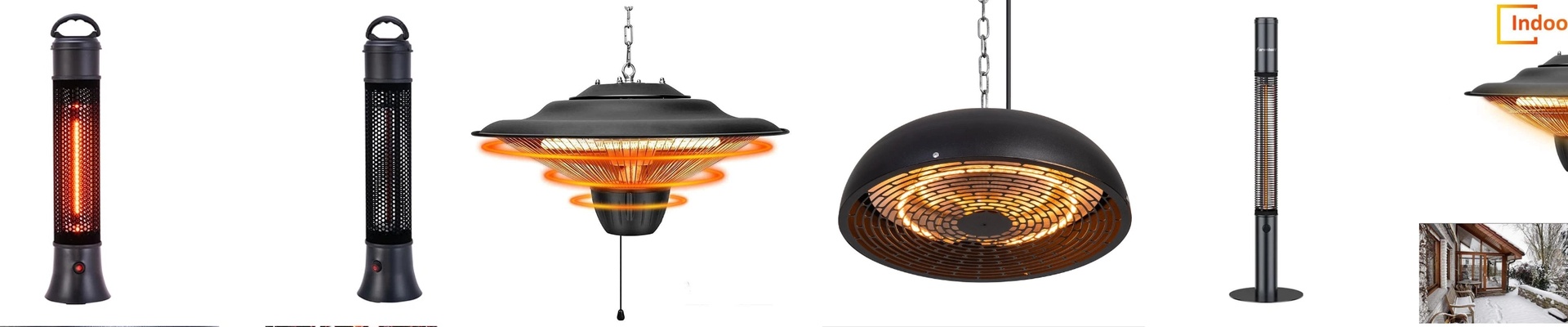
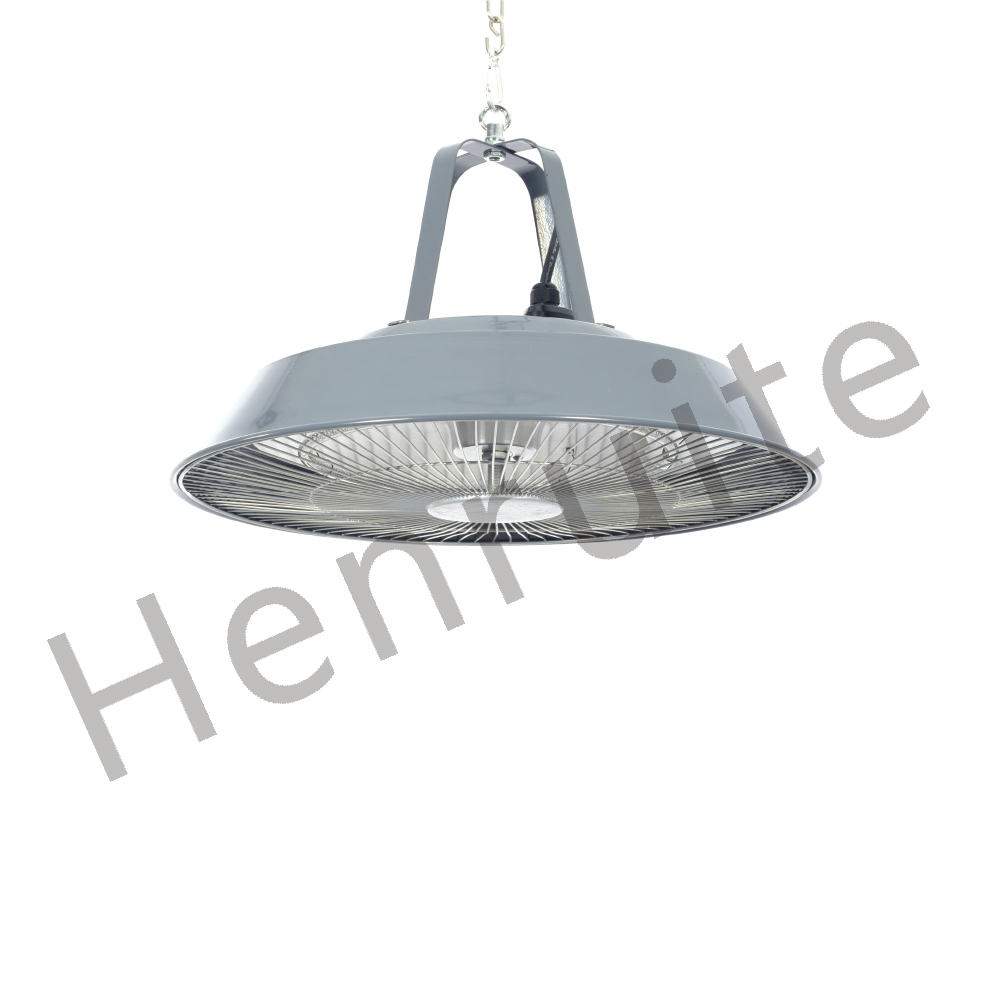
We built this infrared heater around radiant warmth, so heat moves straight to people and objects without a spinning fan. That means zero wind noise. Inside, a carbon fiber element comes up to temperature fast and holds steady, backed by a thermostat that keeps comfort consistent without constant cycling. It sits on a low-profile base with tip-over protection—bump it, and it shuts off automatically. It runs on standard household power and delivers focused warmth in a compact footprint, so you can place it where the seating clusters, without crowding the AV stand.
Why this approach fits a home theater
Home theater is all about stillness and control. No fan means dialogue stays clean, subtle soundtracks stay layered, and quiet scenes feel genuinely quiet. Radiant warmth also warms you first—your chair, your feet, your hands—so the room feels comfortable without overheating the air. That matters during long movies or multi-episode marathons: you stay relaxed, less likely to fiddle with the thermostat and break the flow. And with tip-over protection, you can enjoy the warmth without constantly worrying about knocks in the dark.
What to keep in mind
Infrared heaters warm people and surfaces directly, so comfort comes down to line-of-sight. Place it so the main seating faces the unit, and you’ll feel the difference. It’s designed for indoor home theater use—best in a controlled, dry room. For the best results, keep it on a stable, level surface and leave clearance around the heater so heat can radiate freely. If you need coverage beyond a single seating area, consider pairing it with a second unit, rather than trying to run a single oversized heater that can overheat the space.