
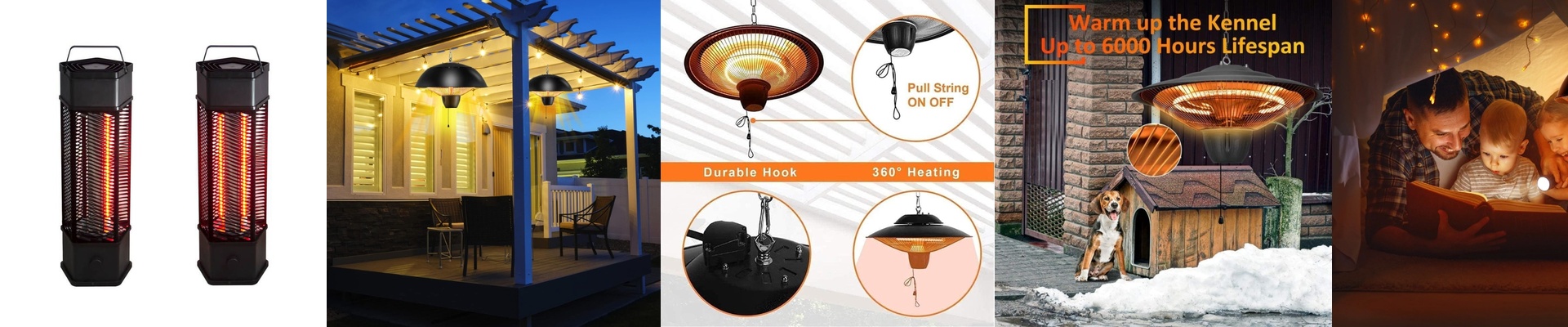
The sunroom is a joy until the sun drops. Then that wall of glass turns into a heat sink, and the room cools off fast. You can try heating the air, but it’s gone almost as soon as it arrives. What you actually need is a heater that warms people and surfaces directly, not just the air.
What matters under the hood
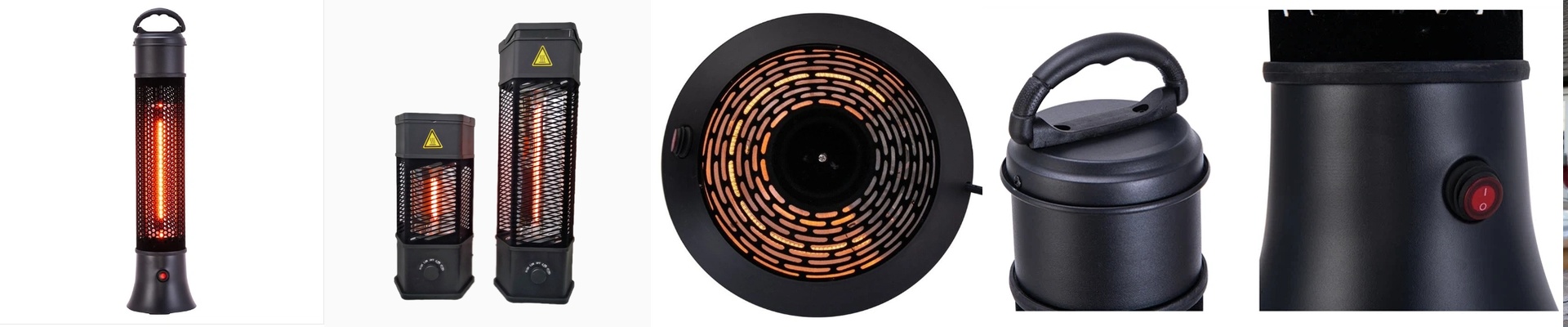
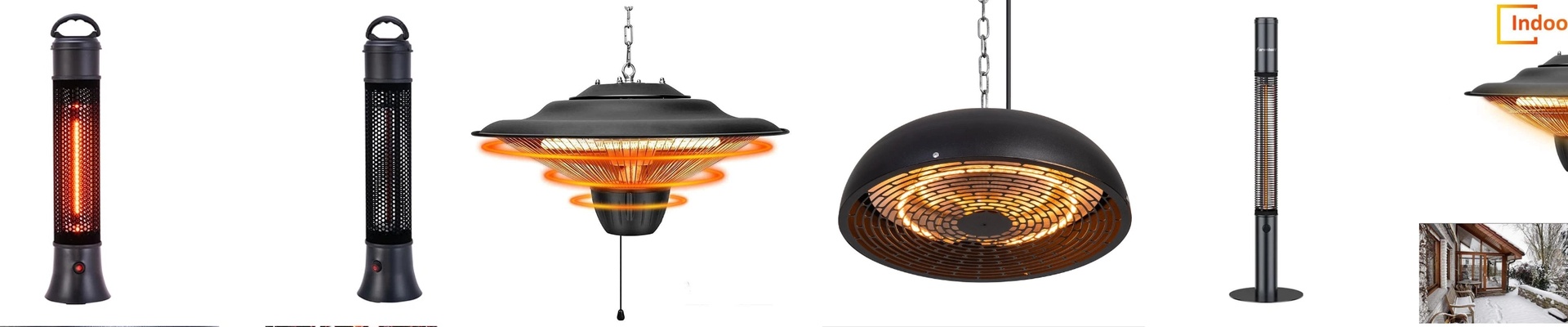
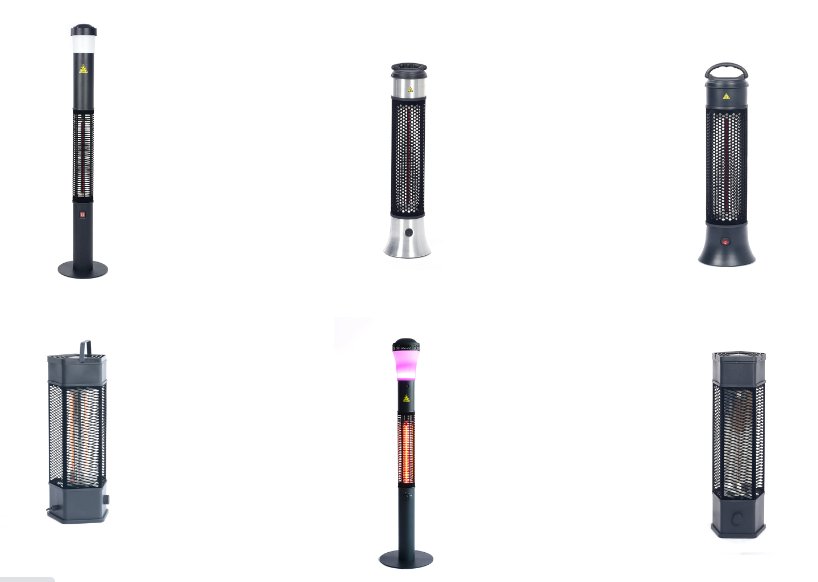
We built this oscillating space heater around infrared warmth, driven by a carbon fiber element. Instead of pushing hot air that rises and leaks through the glass, it radiates heat outward, getting through clothing and warming what it hits. The oscillation isn’t just about coverage—it spreads the comfort so you don’t have to sit dead in front of the unit. In practice, that means the 1500W output goes where it counts: on the people in the room, not on air that immediately escapes. The unit has an adjustable thermostat, so you set a target and it cycles to hold it, rather than running flat out until you realize it’s too warm.
Why it fits a glass-heavy sunroom
In an attic sunroom with a lot of glass, the issue is heat loss, not square footage. An oscillating infrared heater tackles that by delivering warmth where you feel it—on skin, furniture, and the floor—so the room feels steady even while the glass is pulling heat out. Because the heat is directional and the unit rotates, you get even coverage without a hot spot straight ahead and cold corners behind you. The payoff is a room that holds a usable temperature long enough to relax, read, or entertain without constantly chasing the thermostat or shifting seats.
The practical details
This is an electric heater rated for indoor and sheltered use, and it needs a standard outlet on a dedicated circuit. Place it so the oscillation sweeps across the seating area—don’t hide it behind furniture. Keep the unit upright and clear of obstructions. Infrared warmth travels in straight lines, and airflow around the heater keeps it running quietly. If your sunroom is very open or wind-exposed, pair the heater with curtains or blinds at night to cut drafts and reduce heat loss through the glass.