


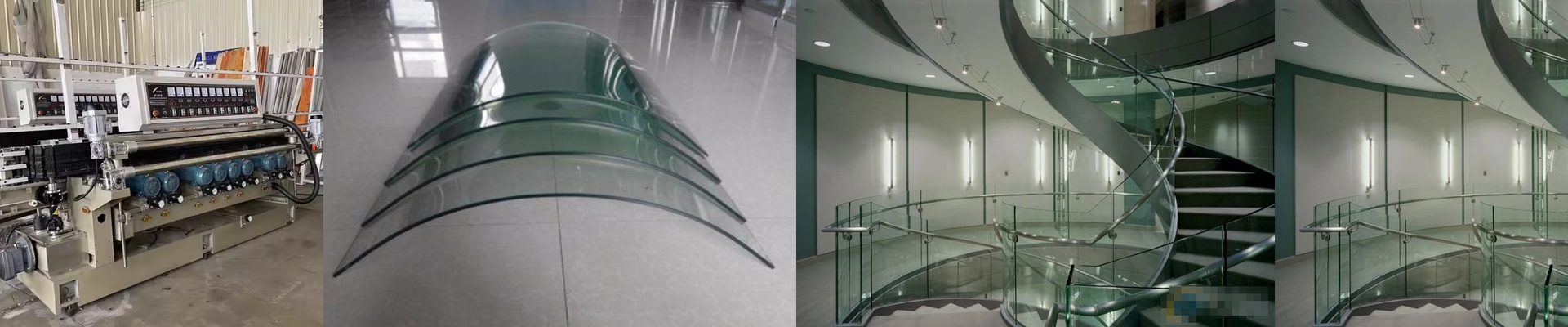

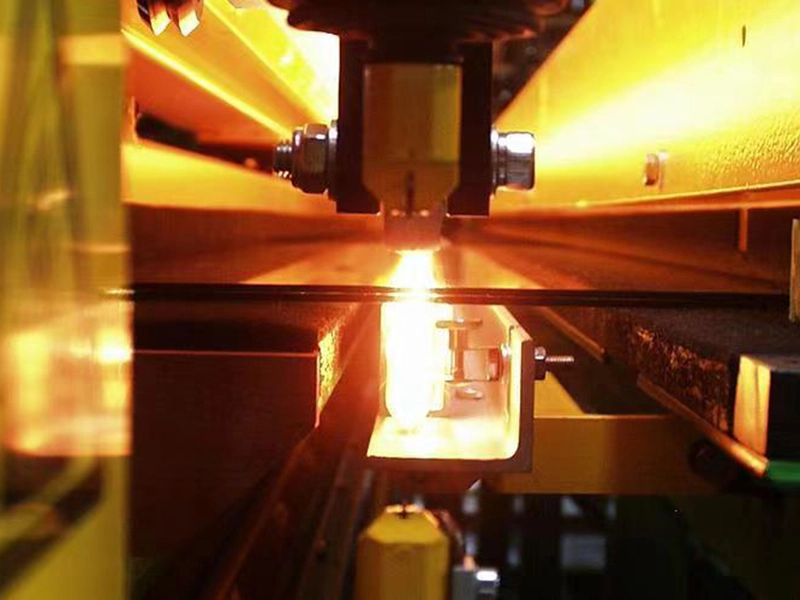
On the production floor, a heating mismatch doesn’t just kill uptime—it kills yield. When the tempering line can’t hold setpoint, or the lamination press shows cold spots, you end up with scrap, rework, and schedules that slip away. Custom quartz heaters are built to take that variability out and put the heat exactly where it needs to be: precise, repeatable, and under control you can bank on. Here’s what actually matters technically. We design quartz heaters around how glass processing really works: fast response, stable output, and a temperature profile you can count on. Short-wave infrared quartz elements give you a quick ramp with minimal thermal inertia, so setpoints track tightly during bending, coating drying, and lamination cycles. Power density is matched to the process, with voltage and wattage options that drop into existing busbars and control cabinets. Element geometry is tuned to spread the thermal field evenly, so you don’t get hot edges and cold centers that drive thermal stress in tempered and coated glass. For insulating glass sealing, we size heaters to follow the secondary sealant bead, keeping viscosity consistent across the entire line. And here is why it lands in real production. In tempering, uniform heating means consistent surface compression and fewer spontaneous fractures. In EVA/SGP/PVB lamination, stable, even heat shortens press dwell without hurting adhesion—cycle time drops while optical quality stays clean. On automotive glass, holding precise temperature across complex shapes keeps optical distortion low and keeps the line moving. Energy use falls because heat is delivered on demand, with far less standby loss than convection-heavy systems. We also design mounting and connections to fit existing fixtures, so you can upgrade without tearing the whole line apart. A few shop-floor realities to keep straight. Quartz heaters deliver speed and precision, but they need disciplined thermal management. Keep clearances to reflectors and adjacent components tight; otherwise you’ll cook components locally. Match interfaces and terminals to your equipment’s current ratings and insulation class. Expect shorter element life if you run near max watt density continuously in high humidity—plan maintenance windows and keep spares on the shelf. When we spec a unit, we lock it to your machine envelope, duty cycle, and control strategy, so performance stays repeatable shift after shift.