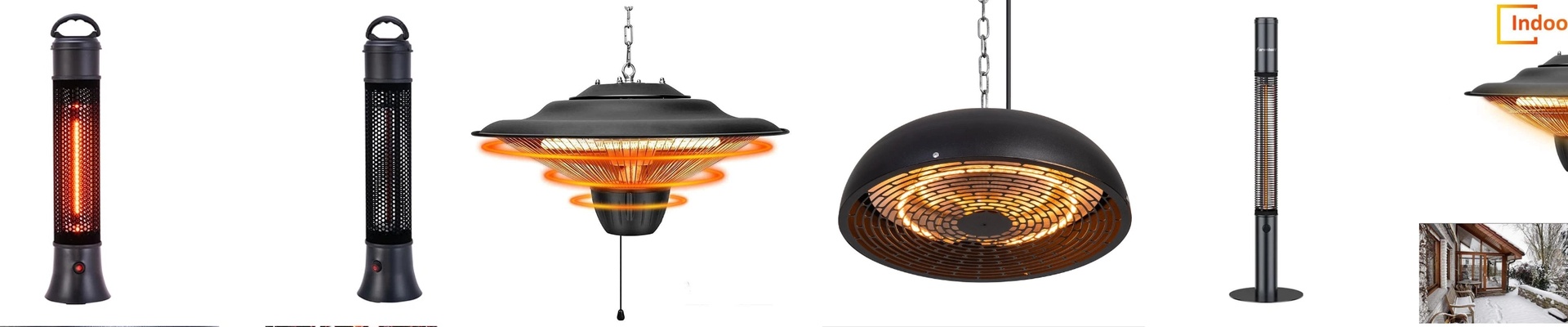
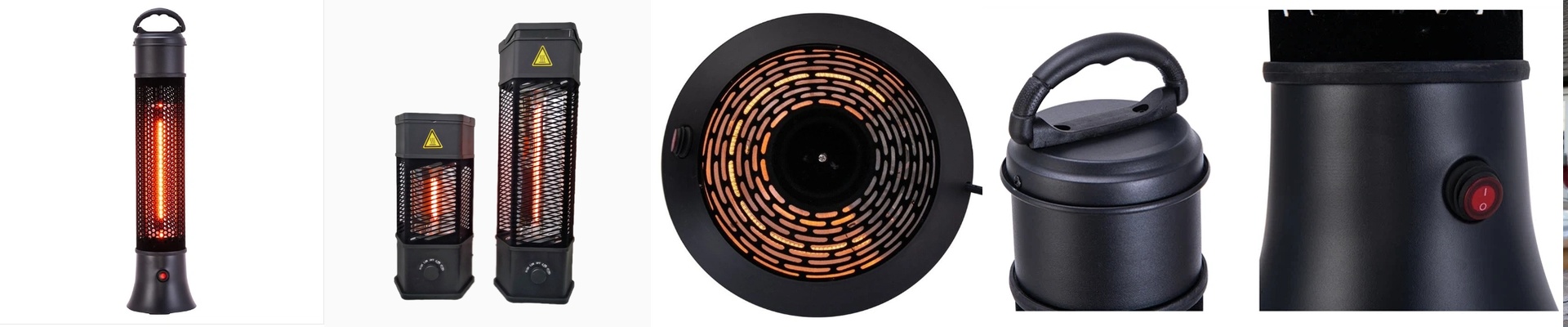
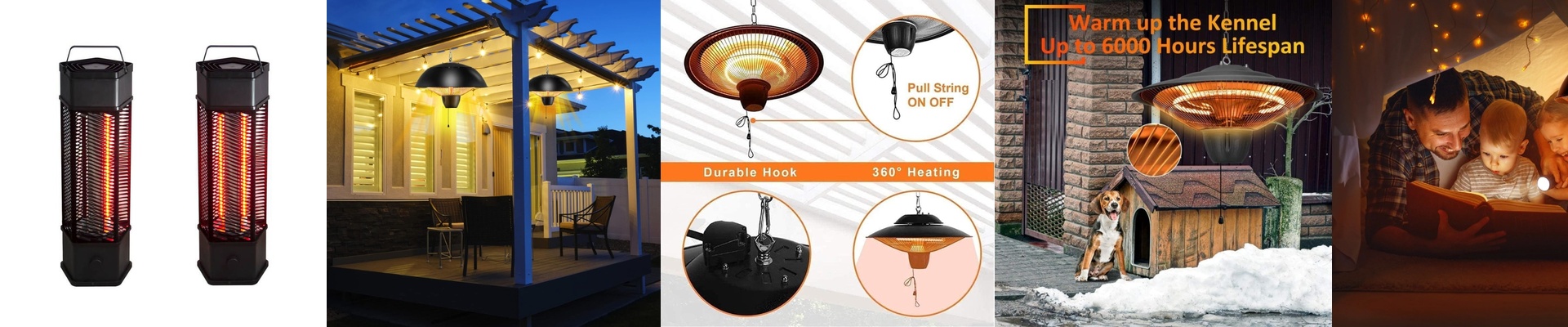

Cold hits fast, and you feel it in your hands before the heater even kicks in. That lag doesn’t just make you uncomfortable—it turns a quick outdoor minute into a hassle. Infrared hand warmer heaters cut right through the wait. They throw radiant heat that warms people first, not the air around them.
What’s really going on under the hood
Infrared hand warmer heaters work off a direct radiant field, so you feel warmth the moment the element hits temperature. Most models run on a quartz tube or a carbon fiber element, tuned for quick response. You’re typically looking at steady output within seconds. These units plug into standard 120V outlets and draw in the 300–600W range. That’s enough for close-range personal heating without tripping circuits. The heat is directional—think sun on your skin—so you aim it where you need it. For safety, make sure you’ve got a built-in thermostat, overheat protection, and tip-over protection. If you’re running it outdoors, go with an outdoor-rated model that carries an IP rating for damp conditions.
Why this matters when it gets cold
On a sudden cold day, speed is what makes the difference. With infrared, you switch it on and feel relief almost immediately—no long preheat, no waiting around for a fan to push warm air around. That quick response keeps fingers nimble, helps maintain steady blood flow, and makes outdoor moments feel less like a grind. Because infrared warms bodies and surfaces directly, you can run it at lower air temperatures and still feel cozy. That can help keep energy use in check.
The practical details you can’t skip
Infrared warmth is most effective within a few feet of the unit, so placement matters. Keep the heater at a safe distance from hands, clothing, and anything combustible—and never run it unattended. For outdoor use, pick an IP-rated model and plug into a grounded outlet with the right cord length. This isn’t yard-wide heating. It shines at personal zones—on a patio chair, beside a workbench, or near a doorway.