

Introduction
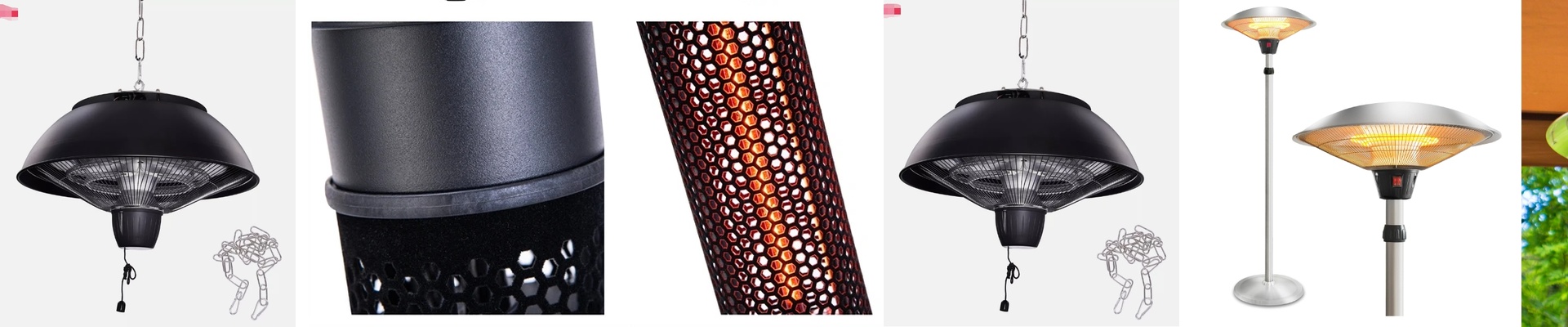
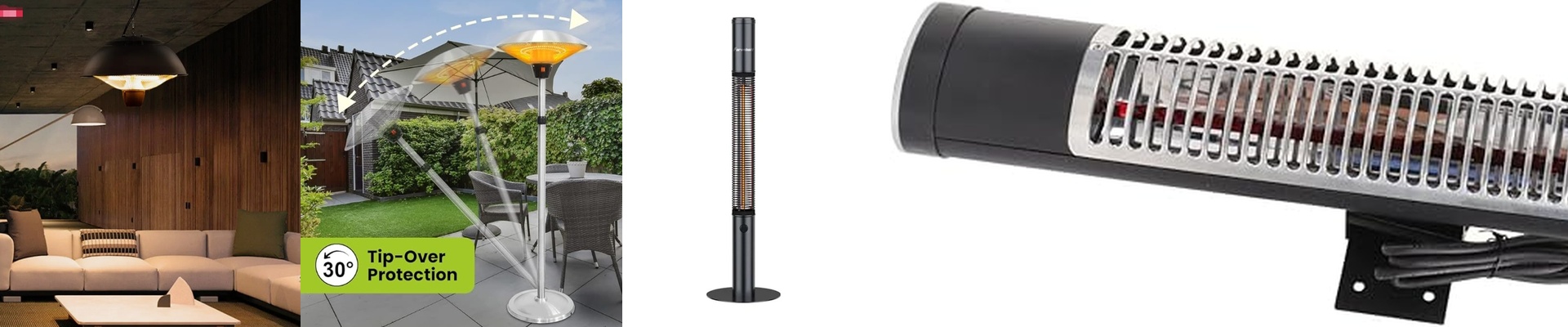
We make wall-mounted infrared patio heaters, but honestly, the same physics works just as hard indoors. Take bathrooms. It’s not just about getting warm—it’s about changing the surface conditions that let mold feel at home. Infrared throws heat directly onto walls, floors, and fixtures. Get it tuned right, and it quietly helps manage moisture by keeping surfaces above the dew point. That’s the secret: surfaces that stay warmer, stay drier.
Power, Voltage, and Output—What Actually Matters
Here’s the thing: infrared heaters are sized for heat density, not air temperature. Most units run on 220–240V and put out 1.5–2.5 kW, depending on tube length and how high you mount them. Why so specific? Because those big ceramic surfaces—the ones that feel cold for ages—are the ones that drive condensation. We size the wattage to hit those surfaces fast and hard, so they warm up before the moisture can settle. Shorter tubes give you a tighter beam—more intensity in a smaller area. Longer tubes spread the energy out, so you get even coverage across a wider wall. And the wall-mount design keeps the heater out of the way, so you’re not tripping over it or blocking a drain.
Materials and Design—Built to Handle the Real World
The core is a quartz envelope. Quartz can handle rapid heating and cooling without cracking the way regular glass can. Inside, a halogen-filled atmosphere keeps the filament stable and slows down that “blackening” effect, so the output stays consistent instead of fading after a season or two. We also use a shortwave infrared coating—often gold-based—to shape the spectrum. It pushes more energy into the 2–5 micron band, which solids like tile, stone, and grout absorb really well. In other words: less wasted heat on the air, more heat where you need it. Electrically, the standard is an R7s connector. It gives solid contact at both ends, handles high current, and makes installation a simple slide-in job. If you’re wiring into a wet zone, you match the base and wiring method to local code—no cutting corners.
Why It Works: Mold Control and a Healthier Bathroom
Mold needs two things: moisture and a cold surface. Infrared goes straight for the weak spot—the cold surface. When walls and floors stay warmer, condensation drops. Less condensation means fewer hours where mold spores can take hold. The payoff is simple: the bathroom dries faster after a shower, and you spend less time scrubbing and less money on harsh treatments. There is one trade-off, though. High heat density means you need to pay attention to mounting distance and airflow. If you run a 2.5 kW unit in a tight, enclosed space, heat builds up and the fixture runs hotter. So you plan the mounting height and ventilation to fit the room—otherwise, you’ll shorten the service life. For engineers and facility buyers, this setup is practical and ready to install: wall-mounted, infrared, and tuned to keep surfaces dry and maintenance low.