Fixing Those Annoying Cold Spots in Glass Annealing
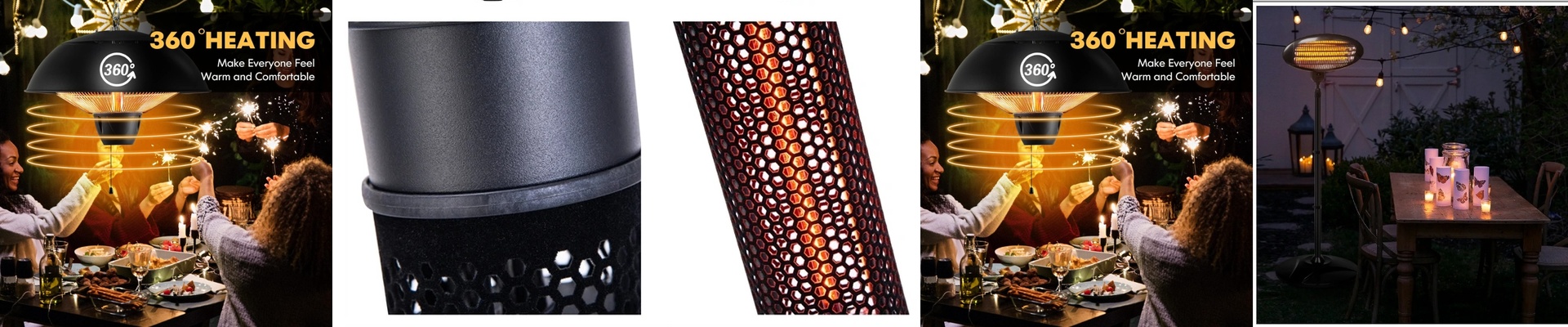
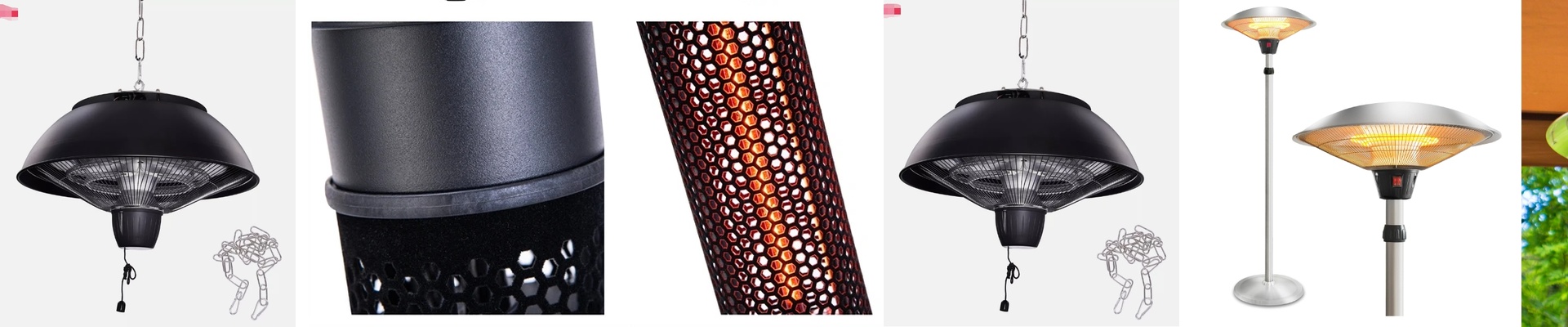
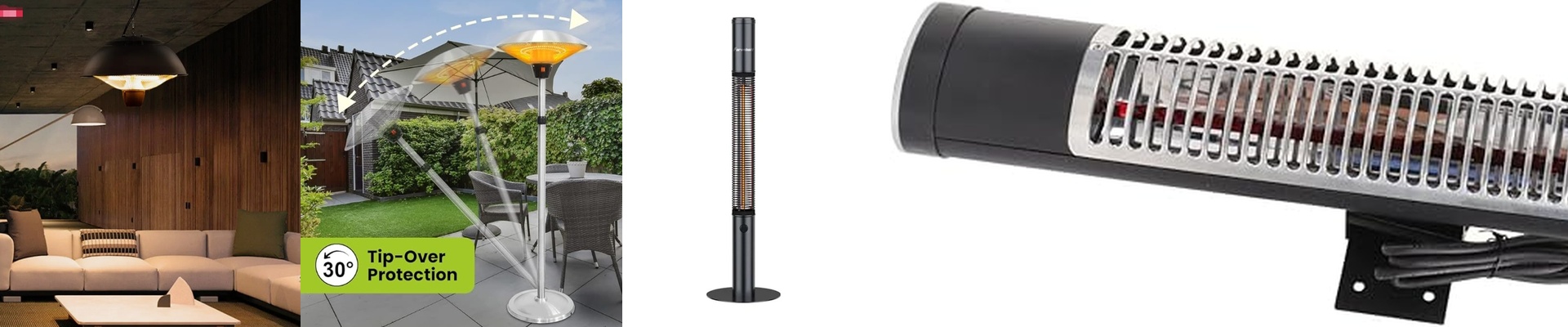
Ever pull a piece out of the kiln only to find it cracked because one weird curve or a tight neck didn’t get enough heat? We call those “dead zones,” and they’re a nightmare. When your glassware has a complex shape, it basically acts like a shield, blocking the heat from getting where it needs to go. You end up with uneven stress, and then—snap—there goes your hard work. To fix this, we started using twin-tube infrared lamps. Think of it as doubling your heat surface without having to build a bigger, bulkier kiln. These lamps wrap the heat around those tricky curves way better than a single-element heater ever could. How the twin-tube trick actually works Here’s the thing: by using two tubes, we can cram more infrared energy into the same small space. We set these up in a staggered pattern so the radiation waves actually overlap. When those waves hit the glass, they fill in the gaps that usually hide behind shoulders or narrow necks. It means the whole piece hits that critical transformation temperature at the same time. No more guessing. No more cold spots. The gear behind the heat We use high-purity quartz for the tubes. Why? Because it lets short-wave infrared radiation pass right through. Instead of just scorching the surface of the glass, the heat actually sinks deep into the walls of the piece. Now, a quick heads-up on power. We’ve got different voltage options depending on what your shop can handle. The high-wattage versions are great because they ramp up the heat incredibly fast, which saves you a ton of time. But please, double-check your wiring and control panels. If your system isn’t built for that kind of current draw, you’re just asking for a burnout. Getting them installed The best part is that these are basically drop-in replacements for your standard IR arrays. You’ll actually have fewer heating zones to mess with, which makes tuning your PID controllers a whole lot easier. One thing to keep in mind, though: more heat density means your kiln’s outer casing is going to feel it. Just make sure your insulation is solid or your cooling fans are humming along. You don’t want the housings getting so hot that they fry your other components.