Getting the Heat Just Right: Custom Spectra for Twin Tube IR Elements
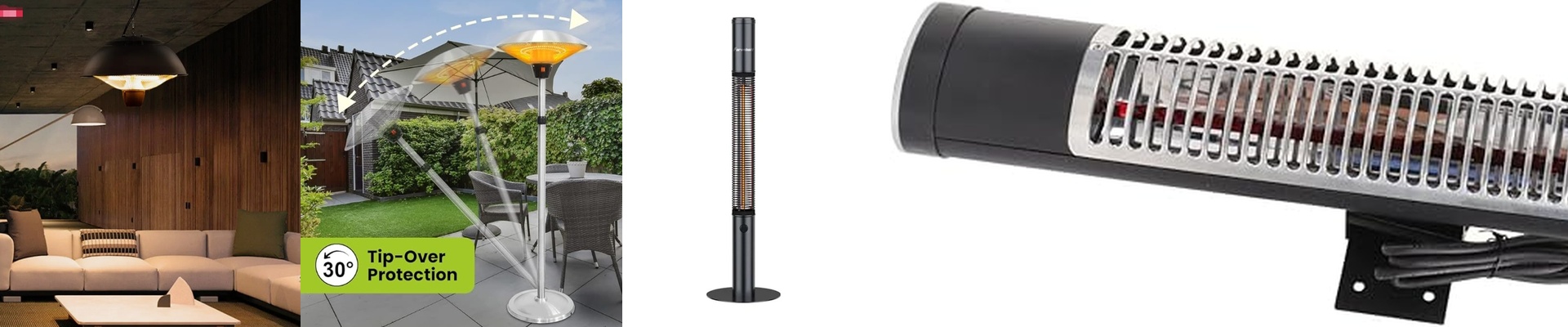
Most infrared lamps just blast a broad spectrum of heat. For a lot of jobs, that’s plenty. But if you’re working with specific glass additives, “good enough” doesn’t cut it. You can’t just throw more power at the problem. If the energy doesn’t hit the exact absorption peak of your material, you’re just wasting electricity—or worse, you’re scorching the surface while the inside stays cold. Hitting the Sweet Spot We fix this by messing with the filament composition and adding specific coatings to the quartz envelope. Think of it like tuning a radio. If your glass additive only “listens” to a specific micron range, we build the emitter to shout exactly at that frequency. It’s basic physics, but it makes a huge difference. Instead of the energy bouncing off the glass like a mirror, the material actually drinks it in. Why the Twin Tube Matters The twin tube setup is a clever bit of engineering. It basically doubles your heating surface without taking up more room. This is a lifesaver because you can crank up the wattage without pushing the filament to the breaking point. You get a nice, even soak of heat across your workpiece instead of hot spots. One heads-up, though: when you increase the spectral density, your reflectors take a beating. They get a lot hotter. Make sure your housing can breathe and shed that heat, or you’ll end up with a warped frame. Real-World Use You’ll mostly see this in high-end glass fab or lab research. Instead of crossing your fingers with a standard lamp, we tune the output to match the chemical signature of your dopants. It’s a relief when it works—cycle times drop, and you don’t have to worry about the glass cracking from thermal shock. Wiring these in is pretty simple. Just keep in mind that when we shift the spectrum, the electrical resistance changes. **Double-check your voltage drop before you flip the switch.**You’ll want to make sure your power supply is a perfect match for the custom wattage, or you’re asking for trouble.