
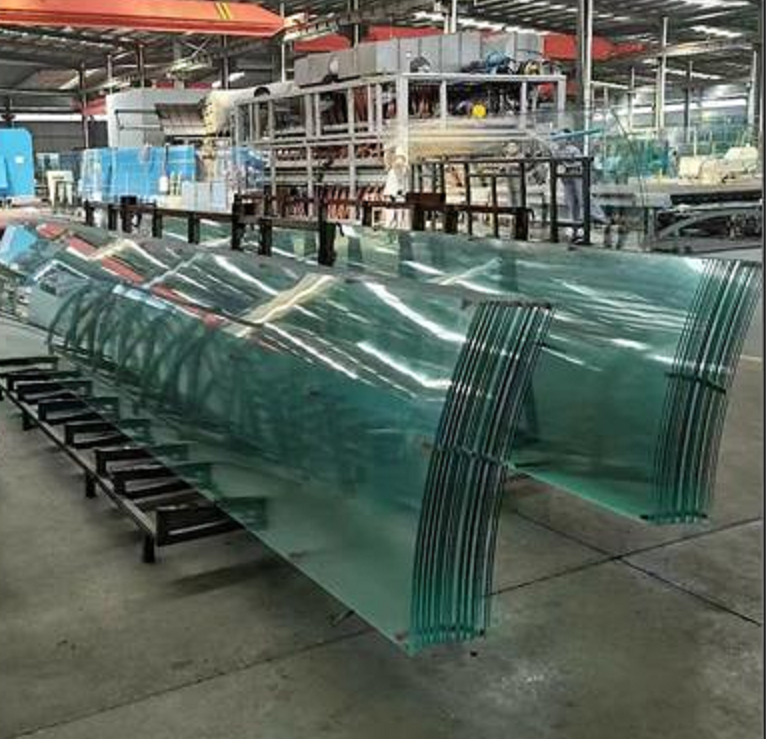
Stop Making Your Techs Do the Heavy Lifting: A Better Way to Handle Fiberglass Annealing
If you’ve been buying individual infrared lamps, you know the drill. Your floor techs spend hours bending supports, messing with wiring, and trying to calibrate heat zones by hand. It’s a headache. It’s tedious. And honestly? It’s a waste of their time. We figured there was a better way. Instead of sending you a pile of parts, we build integrated, curved heating modules in our factory and ship them ready to go.
Why the Curve Matters
Here is the thing about annealing fiberglass: you need a very specific thermal profile. If you get it wrong, you either leave internal stress in the material or you accidentally melt the resin. Straight lamps are the problem. They create hot spots and leave “cold zones” where the heat just doesn’t reach. We solve this by wrapping the heating elements around the material. Because the geometry is curved, the IR radiation hits the fiberglass at a steady, consistent angle. No more guessing games. Just keep an eye on your power. We’ll spec the wattage and voltage for you, but remember that higher wattage means more heat density. Make sure your electrical panels can handle that initial surge when the modules kick in.
No More “Assembly Required”
We’re moving past the “box of parts” phase. When you order from us, you get a pre-wired assembly. The reflectors are there. The mounting brackets are attached. The wiring harness is done. You don’t have to hunt for the right connectors or pray that a lamp doesn’t snap while someone is trying to force it into place. It’s basically a drop-in replacement for your old heating zones.
What This Actually Means for Your Shop
The biggest win is time. Your team stops spending days checking alignments on individual tubes. We handle all those tight tolerances in-house, so your guys can actually focus on production. Now, there is a trade-off. Since these are custom-curved modules, they aren’t “adjustable” in the field. You can’t just bend a module if you decide to change your fiberglass profile size. If the diameter changes, you’ll need a new module spec’d for that size. But for most high-volume shops, that’s a fair trade. The consistency in heat and the massive drop in labor costs make it a no-brainer.