Why 0.1°C Actually Matters in Glass Annealing
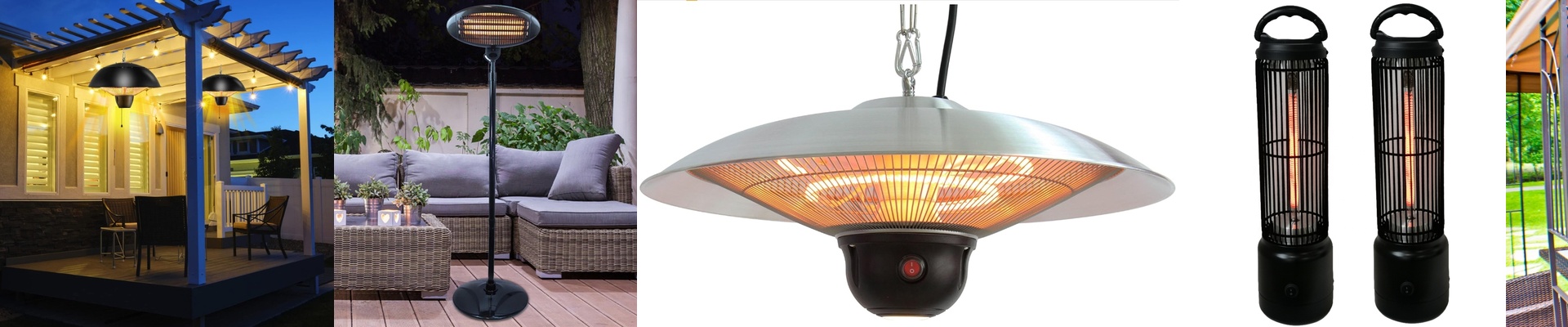
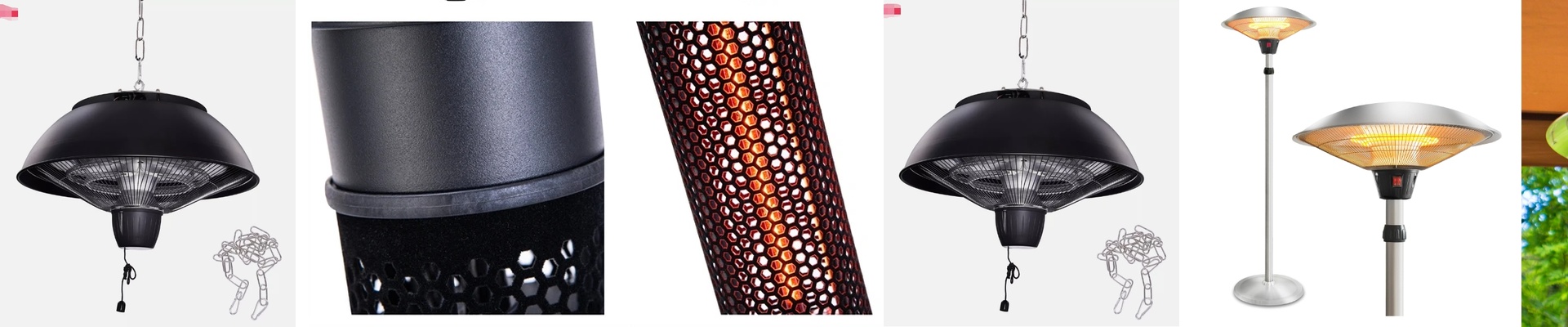
If you’ve ever had a piece of lab glassware shatter for no apparent reason, you know the frustration. Usually, it’s because of internal stress that didn’t get neutralized. Here’s the thing: if your heating element swings by even a couple of degrees, you’re playing a dangerous game. You either end up with permanent stress patterns or a pile of shards during the cooling phase. That’s why we use high-precision infrared lamps in our annealing lehrs. We aim for a tight 0.1°C tolerance. It keeps the glass right at the annealing point without overshooting. It’s about peace of mind.
The struggle with stability
Most standard heating elements are just too slow. They create these “thermal waves” inside the lehr that mess everything up. We went with infrared components because they transfer heat directly. When you pair those with high-frequency PID controllers, you can tweak the power in real-time. It stops the glass from hitting the strain point too fast. If the temperature drifts, you get a refractive index gradient. In a high-end lab, that’s an automatic fail.
The hardware side of things
To get that kind of precision, the heat has to be perfectly even. If a lamp has a cold spot, you get localized stress. Simple as that. We use high-purity quartz envelopes to make sure the IR transmission is as clean as possible. It also keeps the tubes from burning out when they’re working hard. But a heads-up: pushing for 0.1°C precision puts a lot of pressure on your power supply. You need a rock-solid voltage source. If your power line flickers, that spike shows up right in the glass.
Nailing the cooling curve
The lamps aren’t just for heating; they’re there to manage the descent. We wire these systems to ramp down in small, careful increments. If you drop the temp too quickly, you lock in the stress. It’s a balancing act between the lamp wattage and the lehr’s insulation to keep that cooling curve linear. Sure, you could speed things up to get more product out the door. But that’s where the cracks happen. Slow and steady wins here. Every single time.