
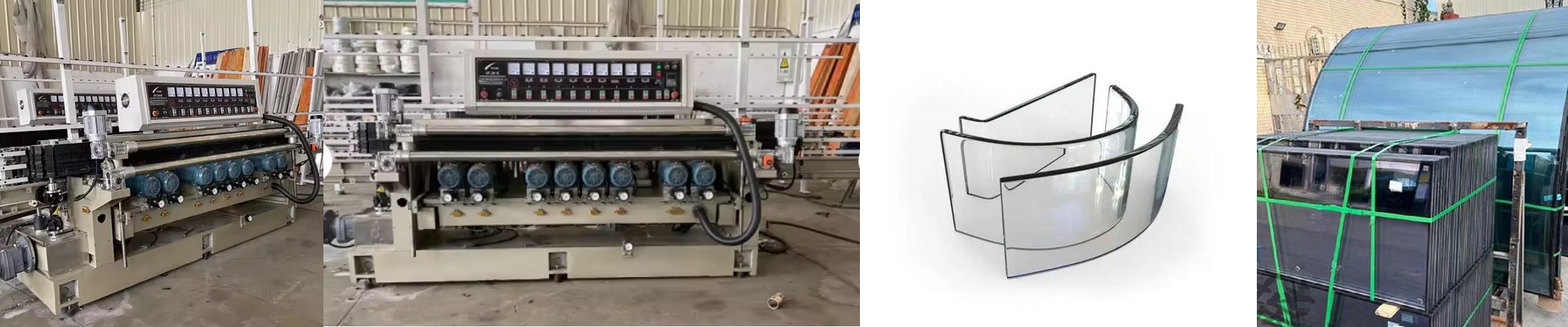
On the line, glass doesn’t cut you any slack when the heat is uneven. A hot corner and a cool edge in the tempering furnace, bending oven, or lamination press? That translates straight into stress cracks, warp, and optical distortion. So we track temperature with a laser temperature gun built for glass work: keeping the thermal field consistent, spot to spot, cycle to cycle. What matters, technically We run a high-emissivity-calibrated infrared sensor with a tight laser spot to read the actual surface temperature of coated, laminated, or bare glass—no contact. The optics cut through glare off reflective coatings, and the electronics compensate for the ambient swings you live with on the factory floor. The readout refreshes fast, so you catch drift before the batch hits the next zone. For repeatability, we lock in emissivity tables for common glass types and give you a stable analog or digital output to feed your PLC or recorder. Why this works where we work Uniform heating is the only practical way to keep thermal stress cracks and shape deviation out of tempering, bending, and lamination. With this gun, you verify each heating zone is balanced, then trim power to close the gaps. The payoff shows up where it counts: fewer rejects, stable optical quality, and cycle times that behave themselves. You also save energy because you stop overshooting just to compensate for hidden cold spots. On insulating glass sealing lines, you can track sealant cure temperature in-window, keeping the chemical bond consistent without scorching the edges. What you need to know Installation is straightforward, but alignment is everything. Mount the gun so the laser hits the target at the intended angle, and keep the lenses clean—dust and binder residue will mess you up. With highly reflective low-e or mirrored surfaces, set emissivity correctly, or put down a temporary high-emissivity tape patch for spot checks. In high-humidity or dusty environments, go with the sealed housing and plan periodic calibration checks against a contact probe on a test piece.