
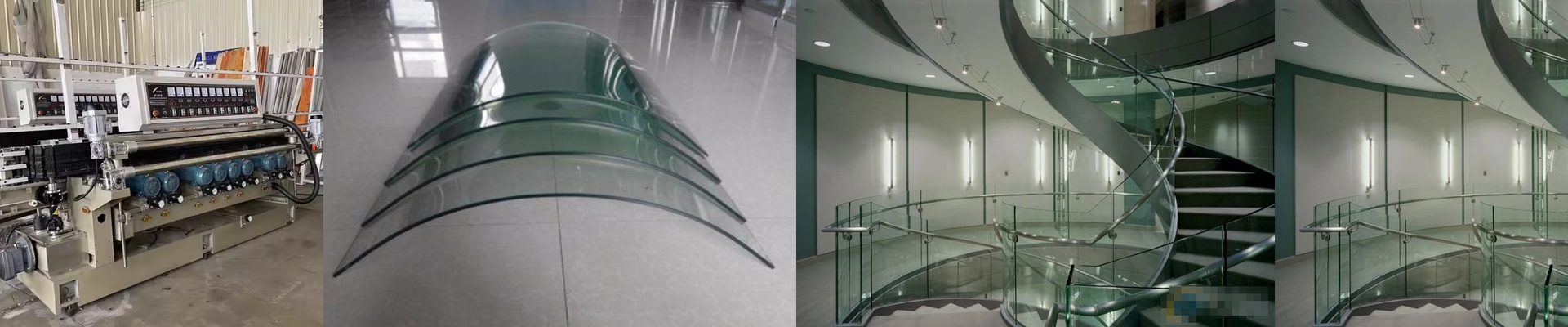
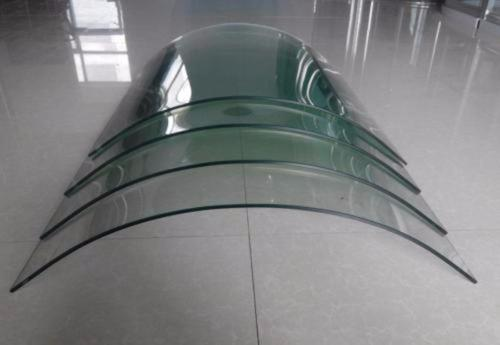
Out on the plant floor, heat isn’t just another setting. It’s the line between a pane that clears inspection and one that fails when thermal stress hits. If your furnace, bending lehr, or lamination press misses the mark, you pay for it in scrap, rework, and slipped schedules. A heating setup built for your process puts control back where it belongs—matching the heat to the glass, not forcing the glass to fit the heat. What matters, technically We design heating modules around your line, not around a catalog. Short-wave quartz halogen gives you fast, direct energy right into the glass surface. Medium-wave resistive elements deliver a more even, controllable profile—handy in bending and annealing zones. NIR and carbon fiber options respond quickly with tight thermal focus, cutting warm-up time and keeping the thermal field steady. The specs are grounded in what the floor needs: 230–480 V input, power density tuned per zone, and standardized mounting and connectors so it drops in clean. The point is uniform temperature across the glass, repeatable ramp and soak profiles, and consistent emissivity behavior from pass to pass. Why this lands in glass work In tempering, uniform heating reduces optical distortion and edge stress, which boosts yield and lowers breakage when you hit the quench. In lamination, a stable thermal window shortens cycle time and keeps the interlayer bond even—fewer bubbles, less haze. In insulating glass, controlled sealing profiles protect the desiccant and hold edge integrity, so callbacks drop. You get faster throughput without chasing hot spots, and you use less energy because heat is applied where it counts and only when it counts. What to keep in mind Custom integration means paying attention to the realities of your equipment and process. Clear thermal zoning, solid insulation, and alignment with your existing controls are the foundation for stable performance. Some high-speed heating modes can create steep thermal gradients, so you may need small tweaks to conveyor speed and dwell time. Work through the profile with your process team first. Then we match the heater, the controls, and the install to that profile—so the line runs the way it should.