How to Stop Your Glass from Cracking During Bending
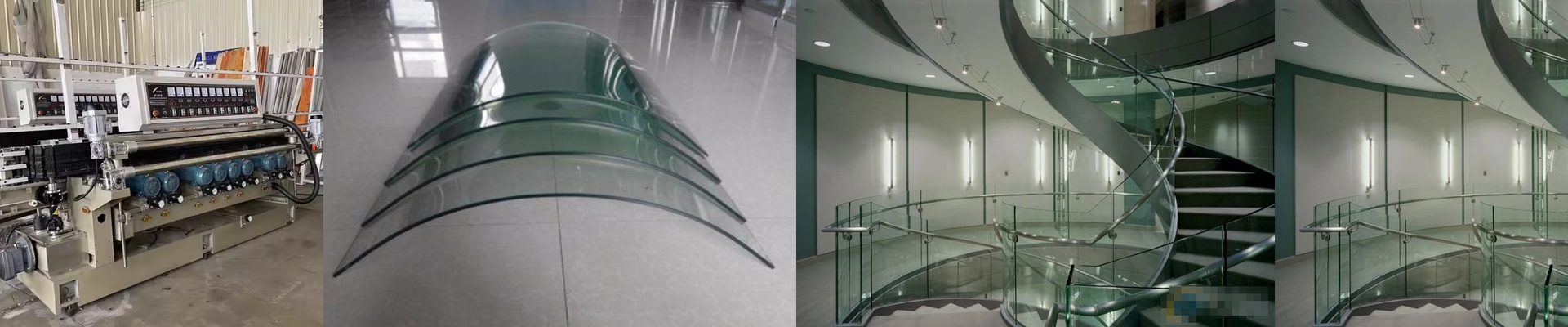
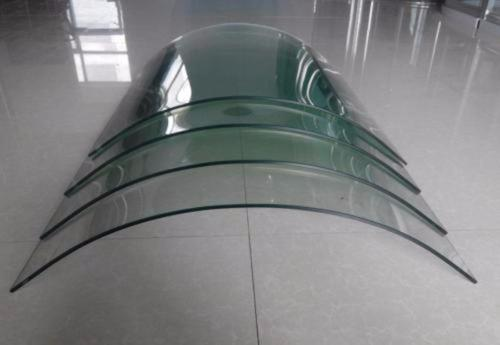
Anyone who’s worked with glass knows that nail-biting moment when you’re heating a piece for a bend. You want it soft enough to shape, but if you push it too far or heat it unevenly, snap. Thermal shock ruins everything in a split second. We’ve found a way to take that stress out of the process by using shortwave infrared lamps paired with high-reflectivity housings. Basically, we put the heat exactly where you need it, and nowhere else. Getting the power right, fast The biggest problem with standard heaters is that they’re sluggish. They take forever to warm up and even longer to cool down. When you’re trying to avoid a crack, that lag is your enemy. That’s why we use shortwave IR lamps. They react almost instantly. When you pair them with SCR power controllers, you can dial the wattage up or down in real-time. You hit that perfect softening point, set your shape, and then kill the power immediately. No overheating. No unnecessary stress on the glass. Just a clean bend. It’s all about the reflection Think of the reflector as a lens, not just a piece of metal. We use gold-coated parabolic or elliptical reflectors to bounce that IR radiation right back onto the glass. It’s a clever trick. You end up doubling the heat hitting the workpiece without actually drawing more power from the wall. Because the heat is so concentrated in the bending zone, the rest of the piece stays relatively cool. It makes the whole part easier to handle and keeps the temperature difference across the glass from getting out of control. A quick word of caution Here is the catch: when you concentrate that much heat, things get hot. Fast. Those reflectors do their job well, but they also soak up a ton of ambient heat. If your cooling system or ventilation isn’t up to the task, you’re going to have problems. We’ve seen housings warp and sockets burn out because the airflow just wasn’t there. Before you fire everything up, just double-check that your water-cooling jacket or fans can handle the peak output of the lamps. Trust me, it’s worth the extra five minutes of checking.