Why Your IR Lamps Are Probably Ruining Your Glass
Ever wonder why one batch of glass comes out perfect and the next is a total disaster? Usually, it’s not the glass. It’s the heat. If your infrared lamps aren’t perfectly matched, you end up with “hot spots” and “cold zones” across your sheets. It sounds minor, but those tiny temperature swings create internal stress in the glass. The result? A mountain of scrap and a lot of wasted time. The secret to fixing this is simple:lamp-to-lamp consistency.
It’s Not Just About the Power
When people look at heaters, they usually just check the wattage. But raw power isn’t the goal here. You need every single tube in that array pushing out the exact same amount of heat. We spend a lot of time obsessing over the quartz purity and how the filament is wound. Why? Because a 5% difference in output might look fine on a spec sheet, but in the real world, it creates a temperature gradient that kills your annealing cycle. We use shortwave IR because it hits the glass fast. You get to that soaking temperature quickly, which means you can move your product through the line way faster.
The Trade-off With High Density
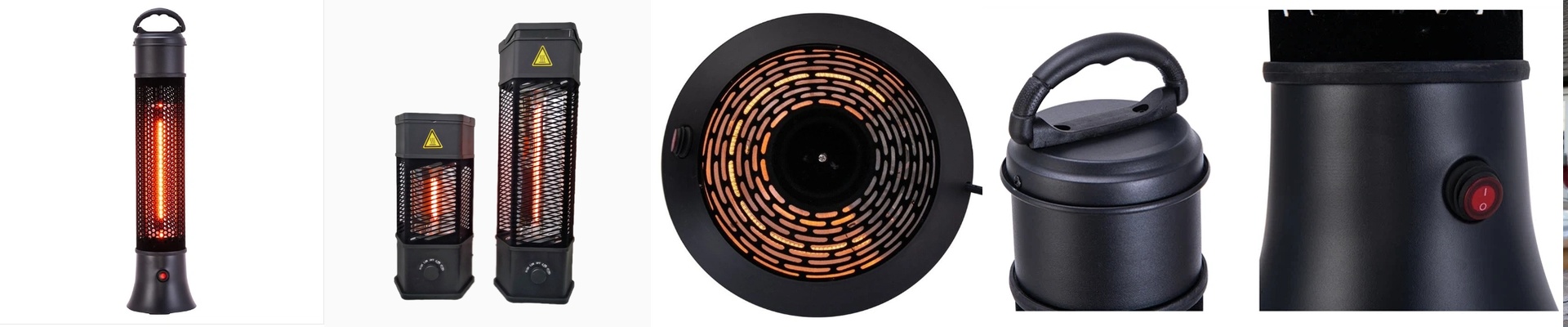
If you’re handling huge batches, you need high-density lamps to keep things stable. We use halogen-filled quartz tubes to crank up the wattage without burning out the filament. It gives you a much tighter thermal profile, but there’s a catch. These tubes runhot. Really hot. If your housing and cooling fans aren’t up to the task, you’re going to see your lamp supports start to warp. It’s a powerful setup, but you have to give it room to breathe.
Stopping the Constant Tweaking
The goal is to stop playing “guess and check” with your equipment. When your lamps have a matched spectral output, the first piece of glass in the batch gets the exact same heat as the very last one. And here’s the best part: you can stop messing with your PID controllers every time you start a new run. You just wire them up, set your profile, and let the hardware do the heavy lifting. It just works.