
Why Your Bathroom Heater is Actually a Dehumidifier
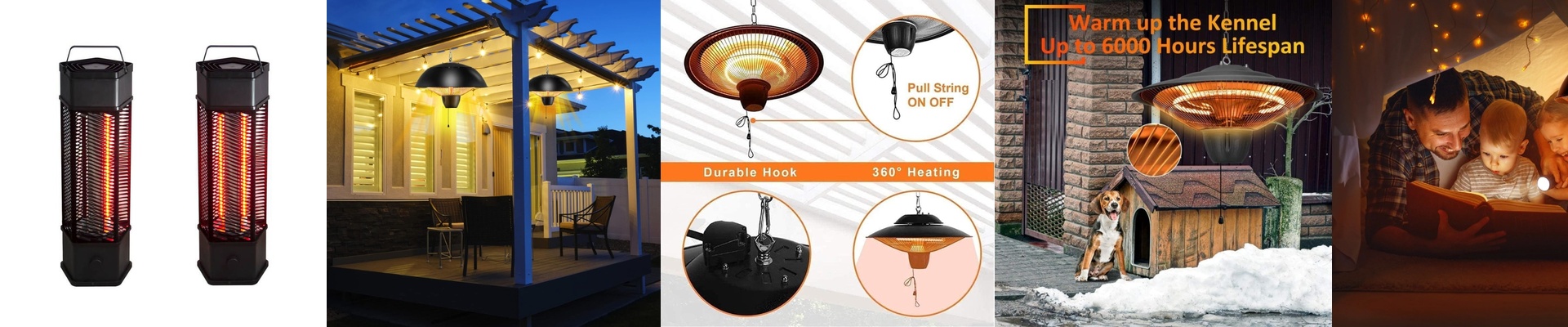
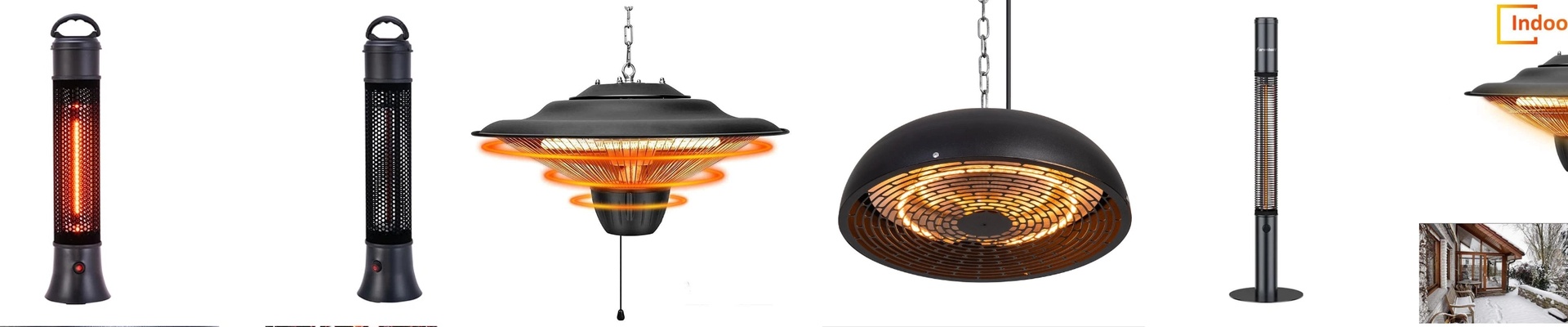
Most of us just think of bathroom heaters as a way to stop that shivering feeling when you step out of the shower. But there’s a lot more going on under the hood. We use infrared (IR) emitters because they don’t just warm up the air. They actually target the water molecules clinging to your walls and ceiling, pushing that moisture out of the surfaces before it can settle.
The trick to drying out your walls
Here’s the thing about standard heaters: they warm the air, which often just shoves the steam into the corners of the room. Our IR heaters work differently. They send out waves that penetrate the surface of your walls. This cranks up the pressure of the trapped water, making it evaporate way faster. It keeps your tiles above the “dew point.” And when the walls stay dry, mold doesn’t have a chance to move in. You’re not just making the room cozy; you’re basically drying your house from the inside out.
The gear and the trade-offs
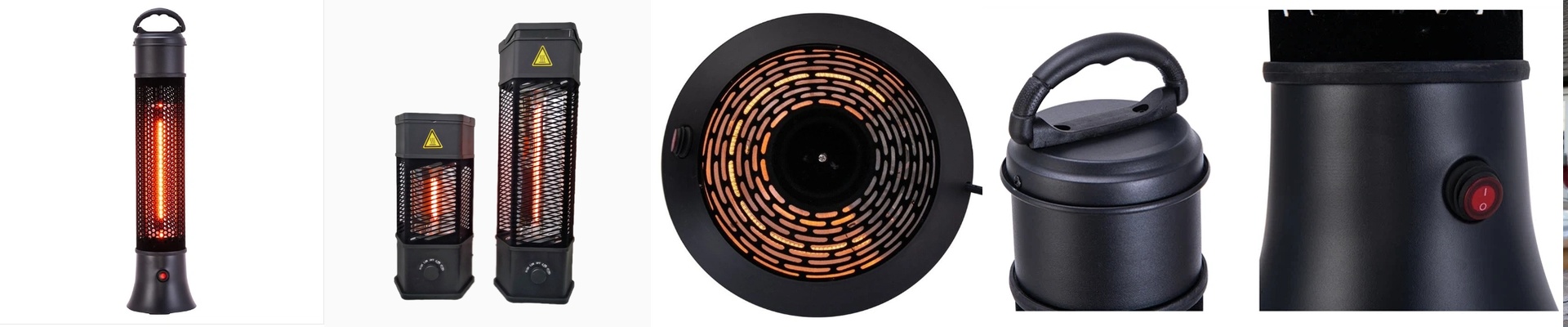
To make this happen, we use high-wattage quartz elements. They need to get hot—fast—to throw off that kind of radiation. Because they pull a lot of power right when you flip the switch, we usually suggest a dedicated circuit. You don’t want to trip a breaker just because you wanted a warm bathroom. But you can’t just crank the power indefinitely. If you put too many watts in a tiny space, you risk scorching the wall or melting a bracket. That’s why we use heat-resistant spacers. It gives the heater some breathing room and keeps your paint from bubbling.
Setting it up and keeping it clean
If you’ve got old-school heat lamps, these are a breeze to swap in. We seal the quartz envelopes so the humidity doesn’t fry the filament. One quick tip: IR lamps are dust magnets. If the lens gets cloudy, you lose a lot of that heat. Give them a quick wipe every few months. It takes ten seconds, and it keeps everything running exactly how it should.