
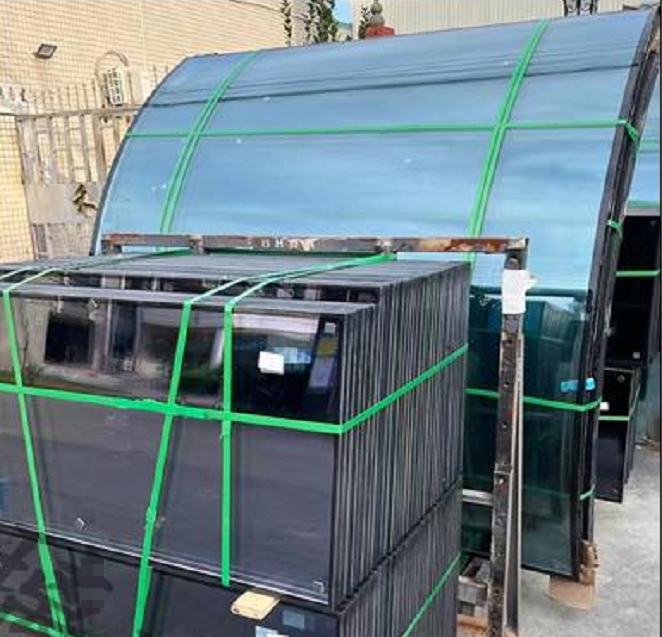
Fixing Up Your Industrial Glass Preheaters
Let’s be honest: upgrading a glass preheating line is usually a headache. Most of the time, you’re staring at a mountain of legacy hardware that feels like it was designed in another century. You want to push more glass through the line, but you’re stuck with old heating banks and weird, proprietary connectors that don’t play nice with anything new. The real bottleneck isn’t even the heat—it’s the physical struggle of trying to make new parts fit old holes.
Making it Fit (Without the Torch)
We build our systems to just… fit. Whether you’re dealing with spiral heads or those odd-shaped connectors that seem to exist only in your plant, we aim for an upgrade that doesn’t involve a blowtorch. You shouldn’t have to weld new brackets or spend your weekend re-drilling the machine frame just to get a bit more heat density. When we talk about a “drop-in replacement,” we mean it. The new lamp or heater should slide right into the existing footprint. We obsess over the tiny mechanical tolerances of those connection points because if the interface matches, you don’t have to waste days on custom fabrication. You just get back to work.
Getting it Running Fast
The secret to a fast install is simple: standardized coupling. If the parts match up perfectly, your techs can wire everything in without having to rip apart the electrical housing. We lean heavily on quick-connect designs. Why? Because every hour spent between teardown and restart is money leaking out of the business.
The Catch (And How to Handle It)
Now, here is the thing. When you crank up the power density in a preheating zone, you’re putting more stress on your old wiring. Our interfaces will fit your old sockets, sure, but you’ve got to check if your current cables can actually handle the extra amperage. If you push high wattage through thin, old wire, you’re asking for a melted loom. It’s a bad day that nobody wants. Just make sure your circuit breakers are spec’d for the new load. And while getting the parts to fit solves the mechanical side of things, don’t forget about the air. You’ll need the right airflow to keep the glass from spotting or overheating where it touches. Get that balance right, and you’re golden.