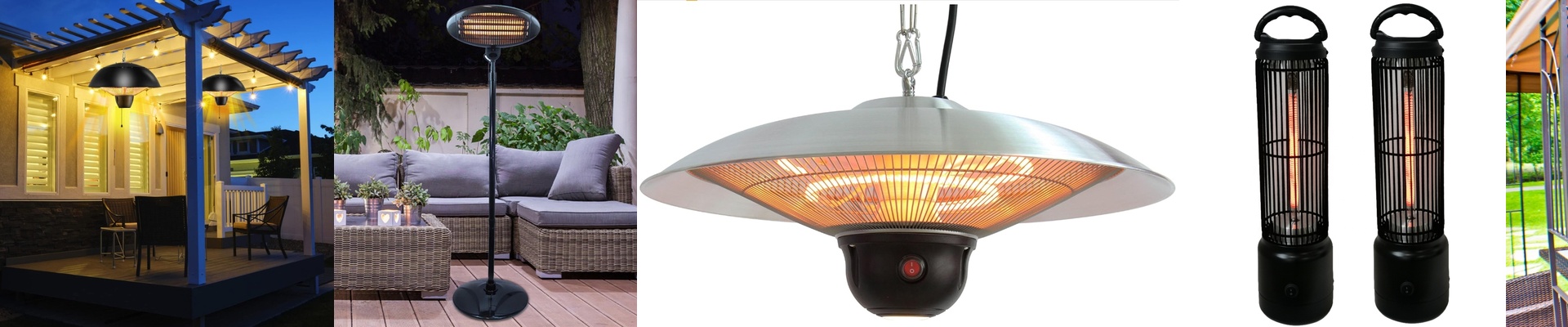
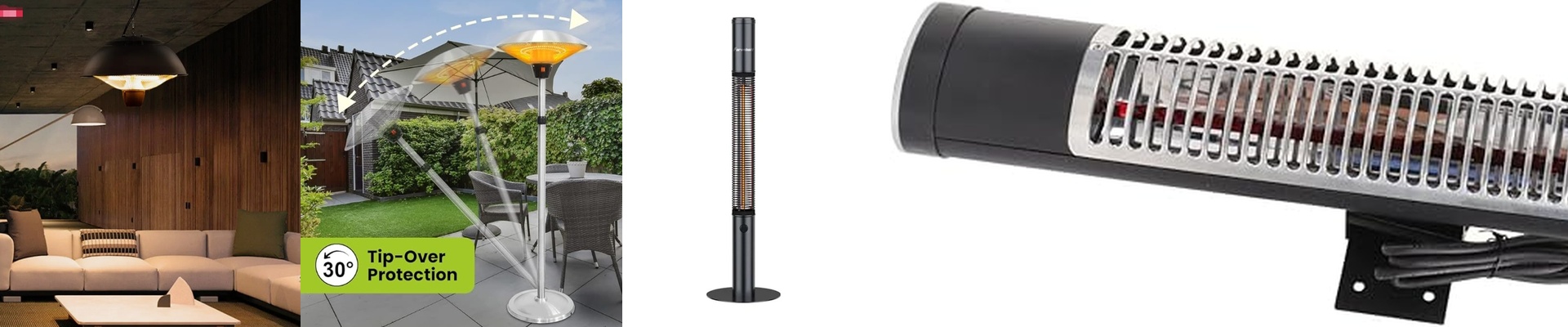
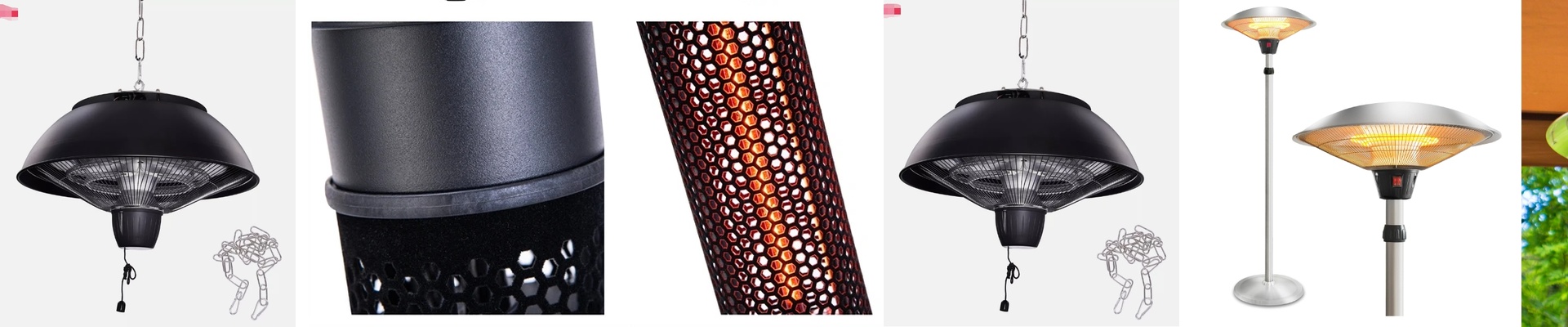
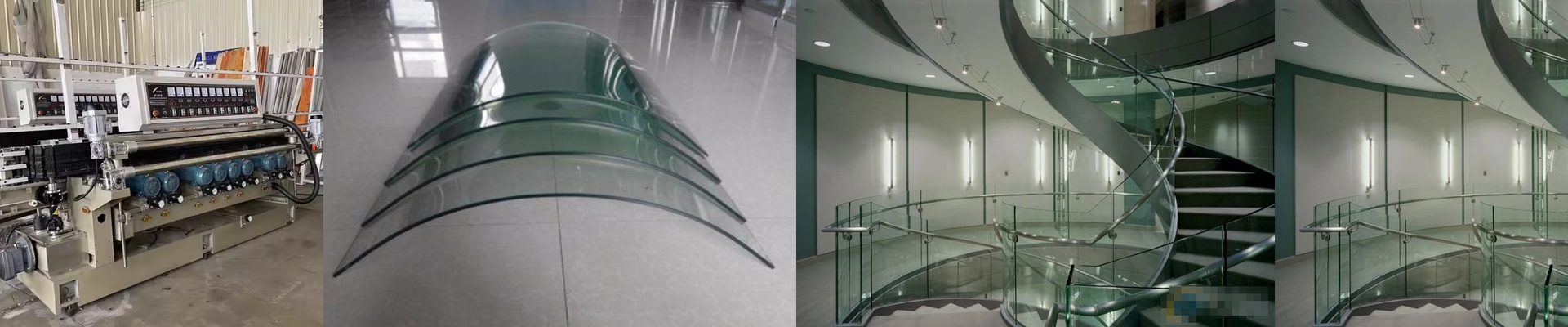

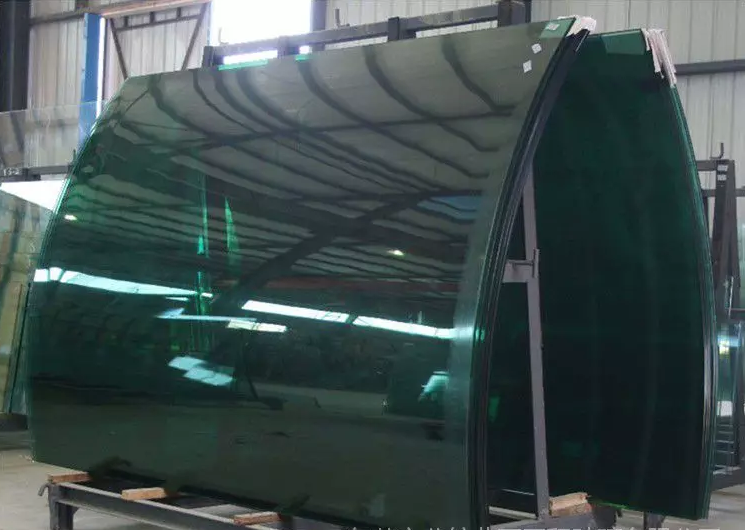
On the line, a hairline crack during bending or a chip in tempering isn’t just scrap. It’s downtime, rework, and a schedule that slips. Thermal stress cutting needs repeatable heat input. Uneven heating causes localized expansion that drives microcracks before the pane ever hits the quench. When the heater underperforms, you get edge waves in bending, haze in lamination, and an inconsistent cure on coatings. We designed our industrial heating modules to keep thermal stress under control across the whole glass process. Our quartz short-wave infrared heaters put energy straight into the glass surface, coupling cleanly with high emissivity. That cuts convection losses and trims thermal lag. Running at 230–460 V in compact footprints, the elements deliver tight temperature uniformity across the active zone, so the entire pane heats at the same rate. That matters when you’re preheating for tempering. A uniform thermal field keeps stress fractures from showing up before the press. It matters in EVA/SGP/PVB lamination, too, where a controlled ramp-up prevents bubbles and gives you solid adhesion. On the floor, the payoff is fewer rejects and shorter cycle times. Tempering lines run steadier because the preheat window is repeatable. Bending stations see fewer edge defects because the temperature across the mold holds steady. Coating drying and IG secondary sealing finish faster without cooking the edge seal. Energy use is measurable, too—targeted heating beats broad-spectrum ovens, and you cut kWh per shift. Install is straightforward as a drop-in replacement, but check your machine’s mounting geometry and terminal block rating. Expect a short tuning window for ramp/soak profiles when you switch thicknesses or low-emissivity coatings. Glass behaves differently at different wavelengths, and the controller has to match the material response. Once you set it, the process holds, and the line keeps moving.