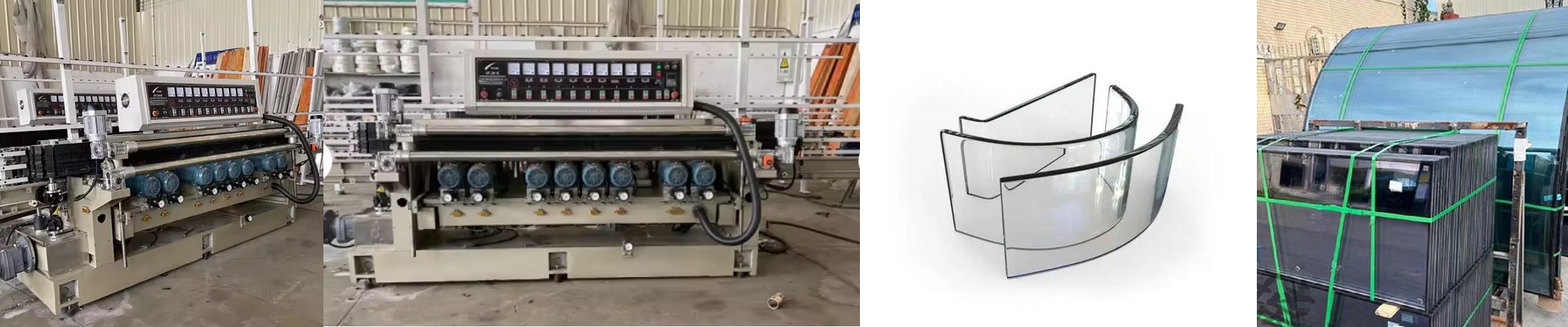
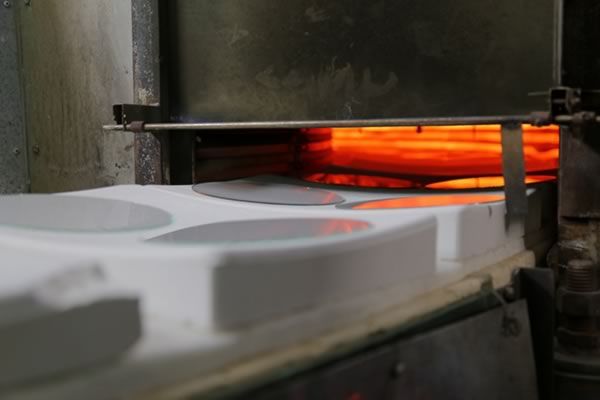
On the line, glass tile adhesive curing is where the schedule meets the substrate. Underheat, and the adhesive stays under-cured—you’ll see edge lift and delamination down the road. Overheat, and you drive thermal stress into the glass, inviting micro-cracks that show up later as rejects. The heating method has to fit the chemistry and the glass, not just what looks right under the oven light. What matters, technically We lean on near-infrared (NIR) heating tuned to the adhesive’s absorption profile, putting energy straight into the bond line without heating the air. That gets you into the cure window fast, then holds it with tight control. In practice, you get consistent surface temperature across the tile—no hot center and cool edges. For glass processing, that uniformity cuts thermal stress and keeps dimensional stability. Why it fits the job In glass tile production, you want repeatable bonds with the shortest cycle time you can get. NIR heats fast, so the adhesive hits cure temperature quickly and holds steady without overshoot. That supports higher throughput without pushing the oven or conveyor past their limits. Energy use drops because you’re not riding long preheat and cool-down swings, and the workpiece stays stable—no warping, no blooming around coated edges. The details that make it work NIR performs best when the adhesive layer is uniform and the glass emissivity is predictable; thick or uneven beads create temperature gradients. Installation comes down to line-of-sight coverage and sensor placement that closes the control loop. Expect a short tuning window on the line to set power, dwell, and temperature setpoints to your specific adhesive and glass thickness.