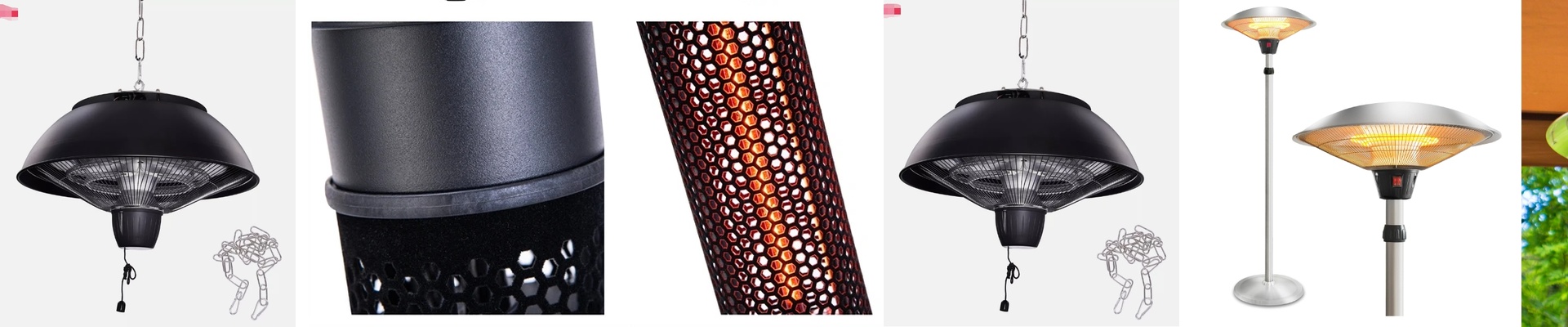
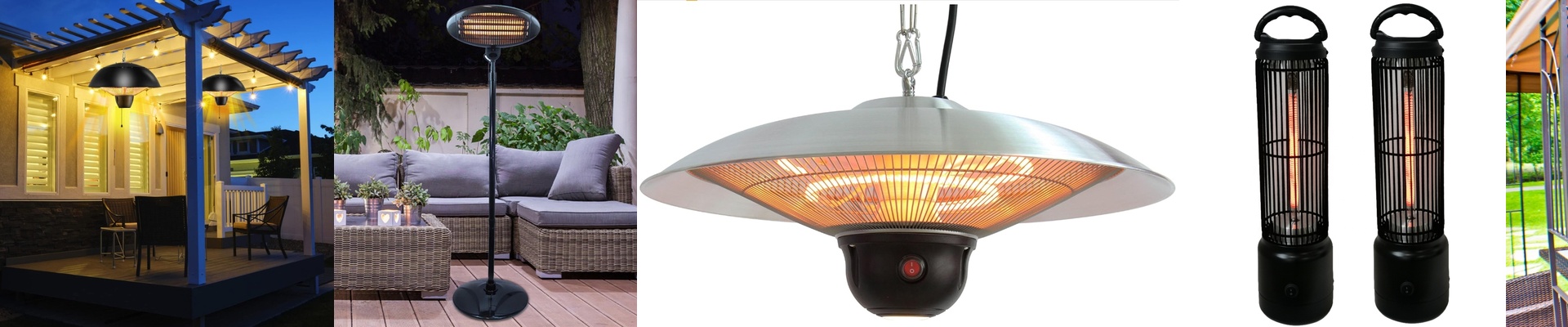
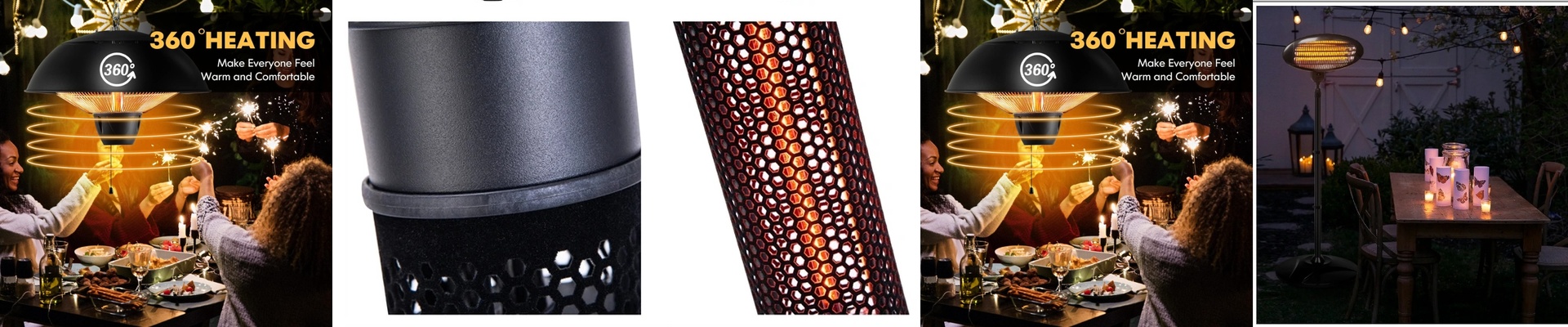
Fixing IP65 Heaters Shouldn’t Be a Nightmare
Let’s be honest: waterproof ratings like IP65 are great until something actually breaks. Usually, when you seal a heater to keep out dust and moisture, you’re basically welding the guts of the machine into a permanent metal box. It’s a fortress. Which is fine—until a heating element dies and you realize you have to tear the whole thing apart just to fix one small part. It’s frustrating. And it’s a waste of time.
The “Impossible Choice”
For a long time, engineers had to pick their poison. You either went with a sealed unit that was a total pain to service, or an open unit that would probably fry the second a little moisture hit it. If a heating tube burns out after five years of running 24/7, you shouldn’t have to rip the entire housing off the wall or compromise the waterproof seal just to swap a part. So, we tried something different. We moved to a modular setup. Instead of one giant, sealed block, we separated the waterproof shell from the heating array. We added quick-connect terminals and slide-in brackets. Now, if a tube goes dead, you just swap it. No need to mess around with the main control panel or rewire the whole system.
How it actually works
It’s pretty much plug-and-play. We ditched the hard-wiring. Instead, we use heavy-duty industrial connectors that lock tight to keep the seal intact. For a technician, it’s a breeze: pull out the broken module, slide in a new one, tighten the bolts, and you’re done. It takes minutes. We also used oxidized aluminum for the frames. Why? Because in these kinds of environments, corrosion loves to eat into mounting points. This keeps the hardware clean and the parts sliding smoothly for years.
The Catch
Nothing is perfect. Because it’s modular, the unit is a bit bigger than those old-school welded boxes. You lose a few centimeters of space, but in exchange, you get a heater you can actually maintain. One thing to watch out for: the gaskets. If a tech pinches the seal while sliding a module back in, that IP65 rating goes right out the window. You’ve got to be careful with the seating. But honestly? It’s a fair trade. You stop treating your heaters like disposable appliances and start treating them like a system that’s actually built to last.