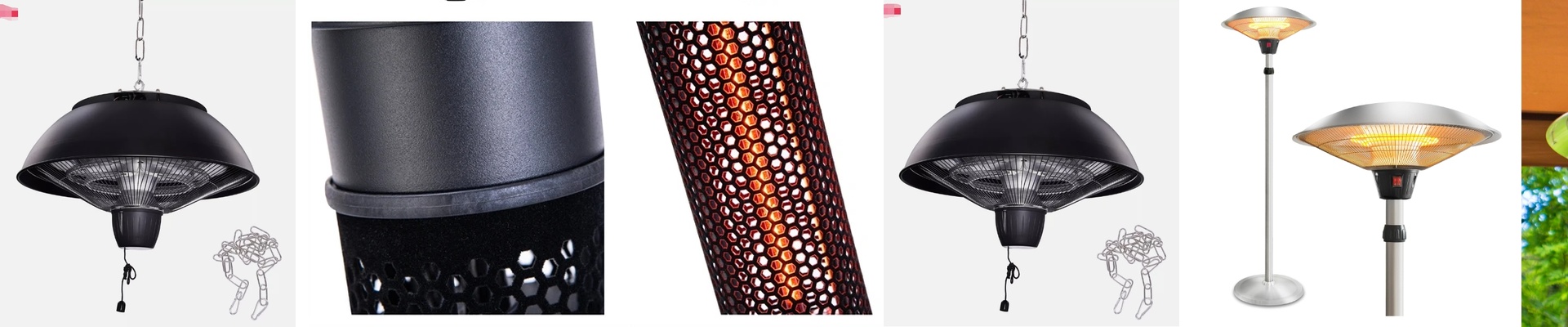
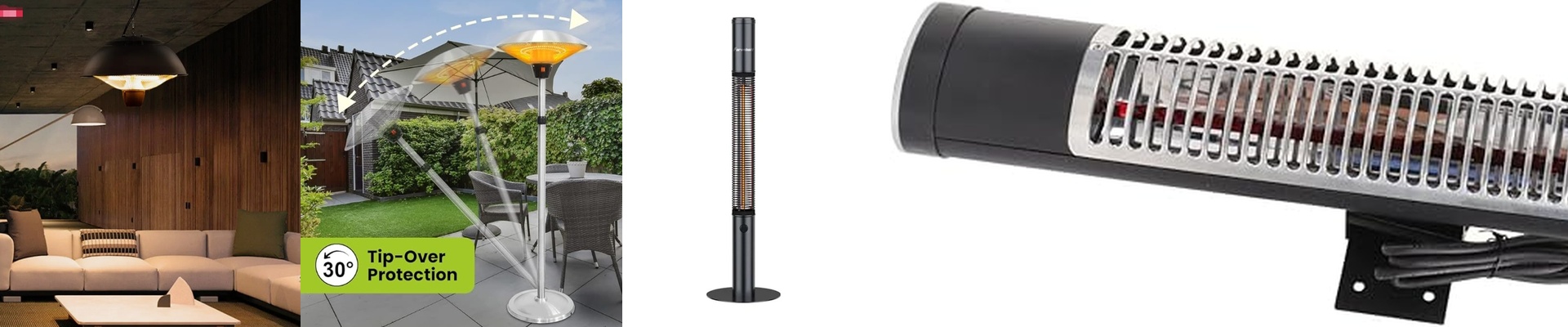
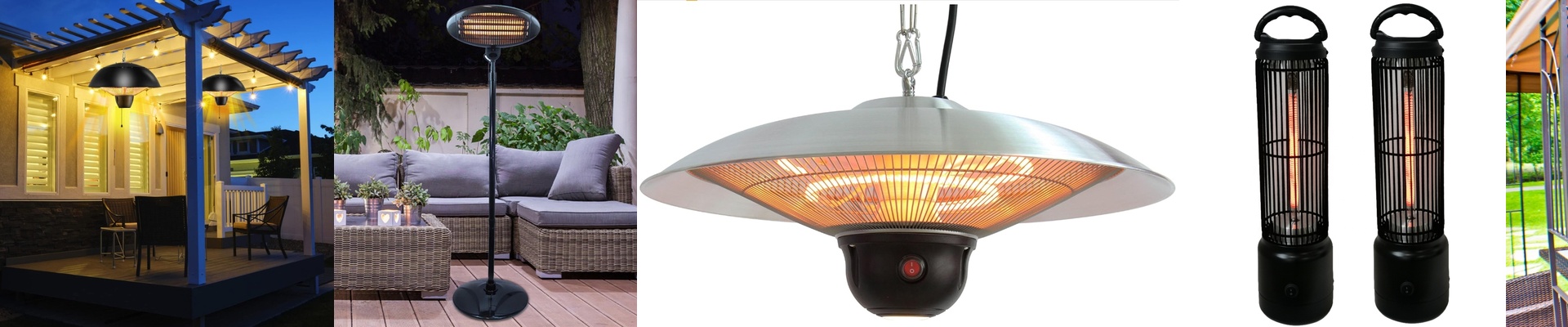
Why we’re ditching old bathroom heat lamps for high-IP infrared
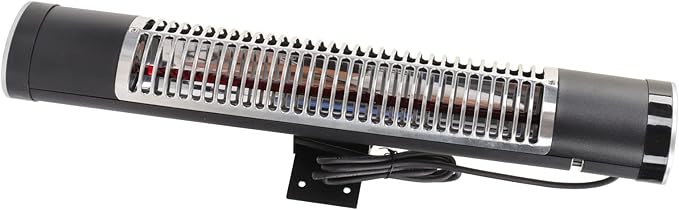
Let’s be honest: those old-school bathroom heat lamps are a bit of a gamble. Most of them use basic quartz tubes that aren’t really sealed. In a room full of steam and splashing water, that’s just asking for trouble. One bad splash and you’re looking at a short circuit or a burnt-out filament. That’s why we’re seeing everyone move toward high-standard waterproof infrared heaters. They just handle the dampness better without risking the electronics. The secret is in the seal Most heaters die because moisture sneaks into the housing and eats away at the connection points. It’s a slow death by corrosion. The high-IP (Ingress Protection) units fix this. They use heavy-duty gaskets and housings designed specifically to keep water vapor out. We use materials that can take the constant swing from freezing cold to scorching hot without cracking or wearing down. It means your electronics stay bone-dry, even when your bathroom feels like a sauna. Heat you actually feel Here’s the thing about traditional heaters: they try to warm up the air. But if you’ve got a drafty bathroom, that heat just floats away. Infrared is different. It doesn’t care about the air; it sends out waves that heat up objects—and you—directly. You feel that warmth the second you turn it on. Because it’s so efficient, we can actually use lower wattage and still keep you warm, which is a win for your home’s electrical panel. A few things to keep in mind You can’t just plug these into a random wall outlet. You’ll need a dedicated circuit, otherwise, you’re probably going to trip a breaker. Also, these units have a bit more heft to them. The waterproof casing is reinforced, so it’s heavier than those flimsy old lamps. Just make sure your ceiling mounts are sturdy enough to hold the extra weight. One last tip: these aren’t exactly space heaters. They don’t “warm the room” in the way a radiator does. If you step out of the beam of heat, you’ll feel the chill again. It’s a targeted blast of warmth. For most of the renovations we do, that’s a trade-off worth making for the safety and the speed.