
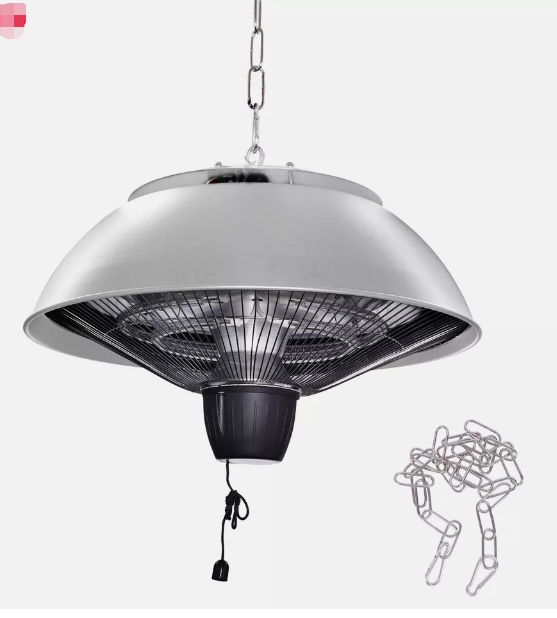
Don’t Bake Your Ceiling: A Guide to Infrared Heater Clearance
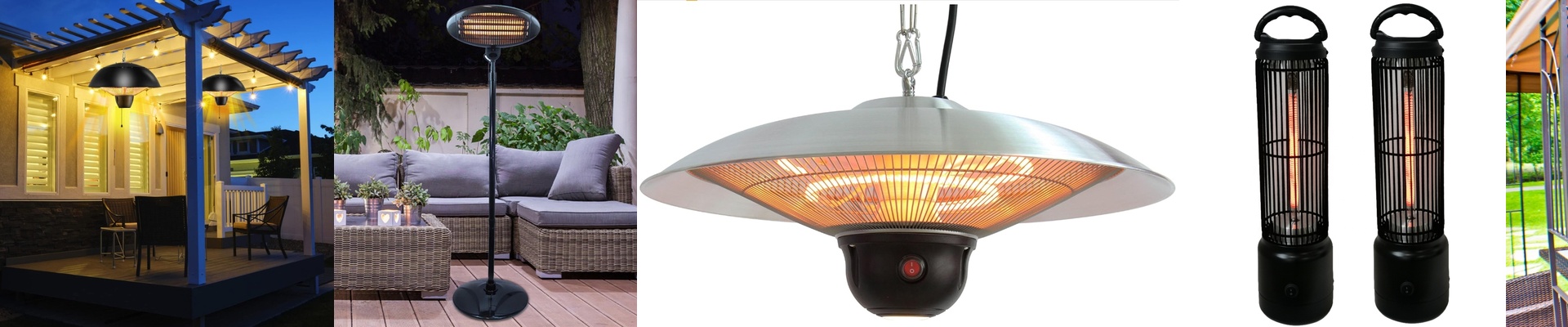
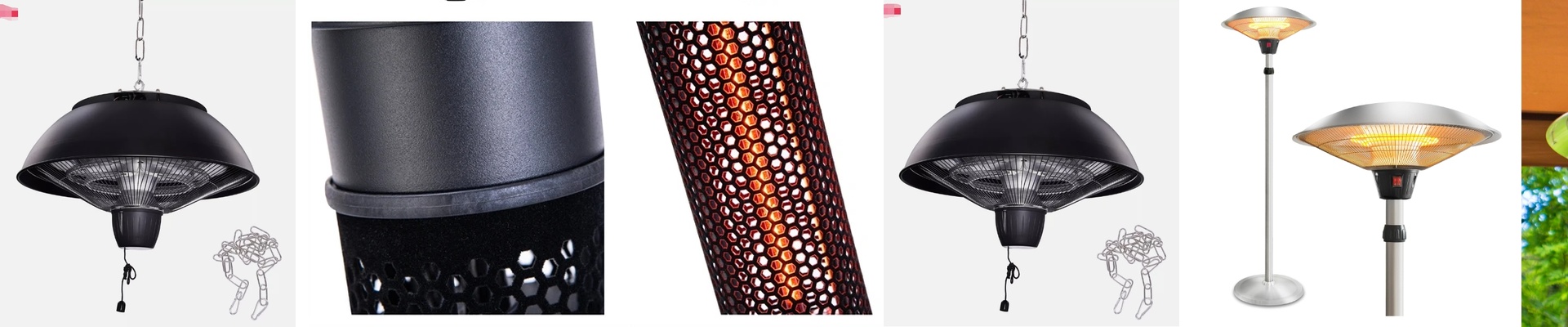
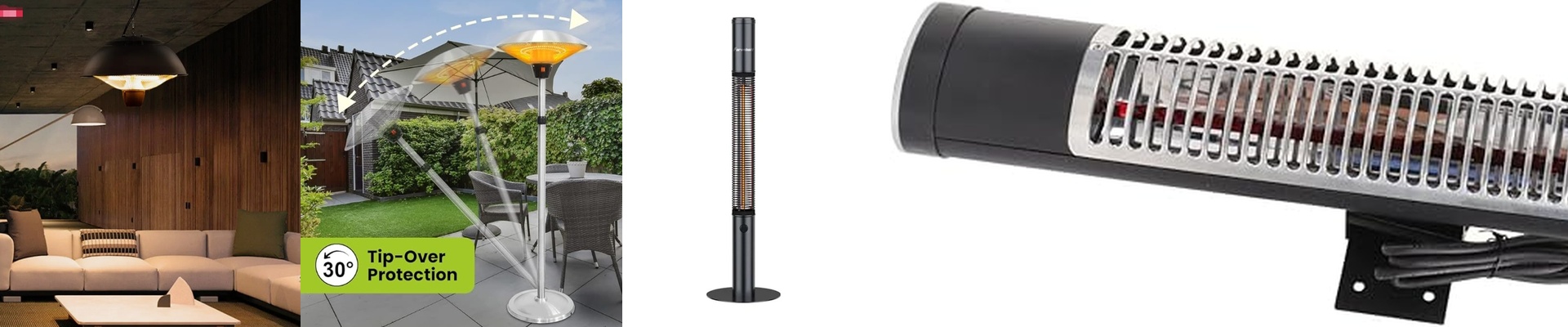
If you’re putting infrared heaters in a high-traffic spot—like a luxury changing room—you have to get the spacing right. It’s a bit of a balancing act between getting enough heat on the floor and not destroying your ceiling. Here is the thing: infrared isn’t like a standard heater that just warms up the air. It shoots energy directly. If you mount these units too close to the ceiling, you’re basically creating a heat trap. That’s a recipe for wasted energy and, in the worst cases, actual structural damage. The “Heat Trap” Problem When we’re working with short-wave or medium-wave units, we’re talking about direct energy. If there isn’t enough breathing room between the heater and the ceiling, the ceiling surface just soaks up that heat. Then, it starts bouncing that heat right back at the unit. It’s a vicious cycle. The internal parts overheat, and those quartz tubes start to wear out way faster than they should because they can’t cool down. It’s an expensive mistake. Finding the Sweet Spot Generally, you want a gap of about 0.5 to 1.5 meters. That depends on your wattage, of course. If you’ve got a high-output unit designed to make people feel warm the second they walk in, that heat plume is intense. You need enough headspace so you aren’t looking at peeling paint or scorched drywall a few months down the road. But what if you’re tight on space? Use reflectors. A good, polished aluminum reflector pushes the heat downward. It narrows the beam and keeps the ceiling from taking the brunt of the thermal load. The Trade-off High-wattage units are great because they work instantly. But they have a huge thermal footprint. If you cram a bunch of high-density heaters into a room with low ceilings, you’ll probably keep triggering the thermal cutout switches. It’s frustrating for everyone. The workaround is simple: use more heaters, but lower the wattage on each one. You spread the heat out across the ceiling, and everything stays stable. Everyone stays warm, and your ceiling stays intact.