Making Bathroom Heaters That Won’t Scare the Baby
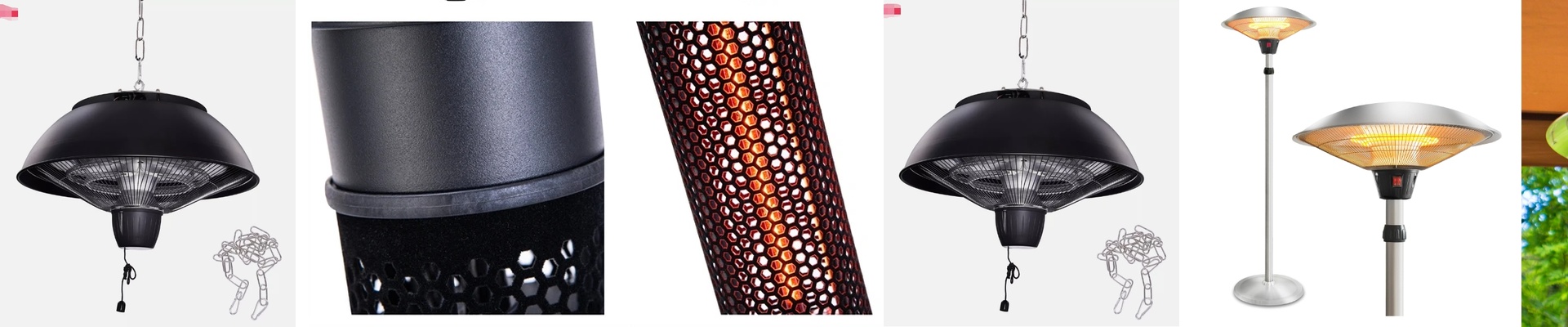
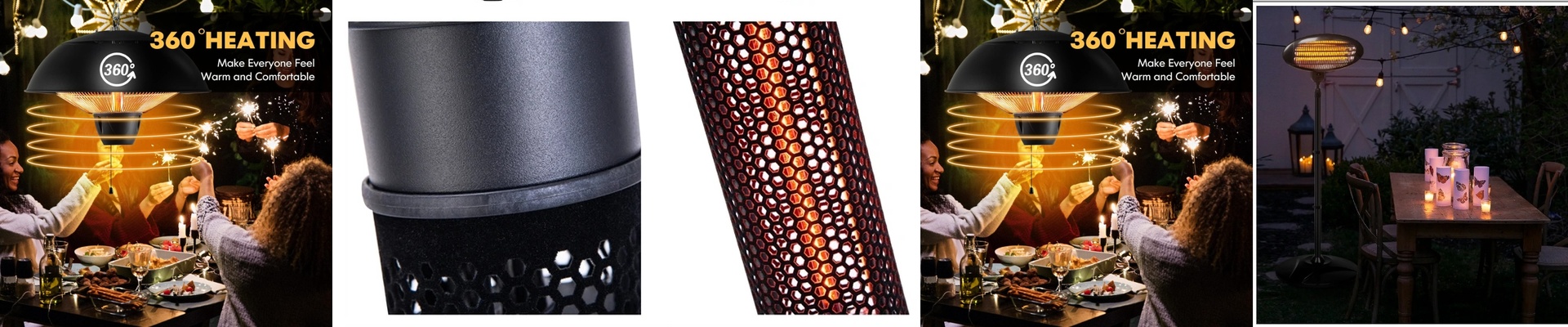
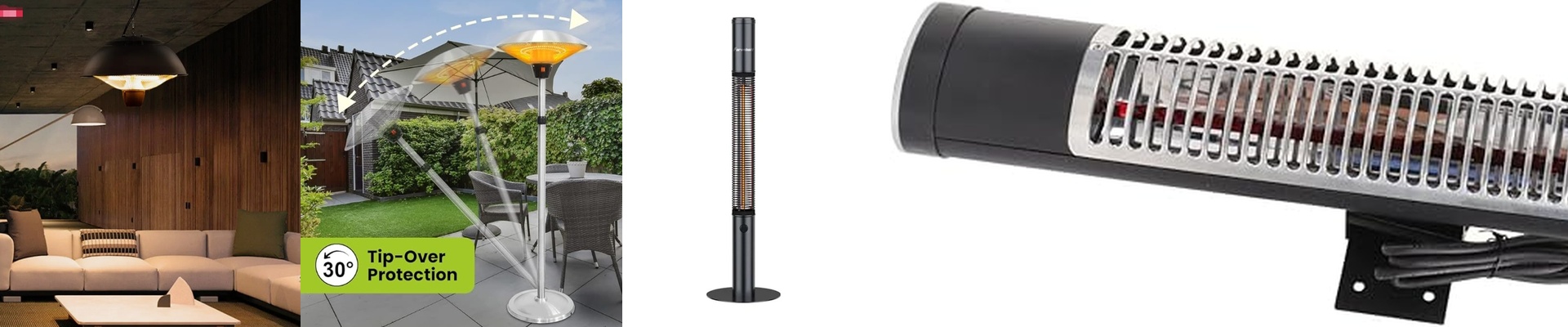
Heating a bathroom is a bit of a tightrope walk. You need enough heat to keep everyone warm, but you’re dealing with water and electricity—a combination that usually ends badly. That’s why we start everything with an IPX5 rating. In plain English? It means if you spray the unit from any angle, it won’t short out. It’s non-negotiable for a room full of steam and splashes. The “Bright Light” Problem Here is the real challenge: glare. Standard infrared lamps are blinding. If you’ve ever looked at one, you know that harsh, stabbing light. Now imagine that hitting a baby’s sensitive eyes during bath time. Not great. We fixed this by messing with the spectral output. We use specific quartz coatings and halogen gas fills to kill off those aggressive light peaks. The result is a soft, warm glow that feels cozy, but still puts out all the heat you actually need. The Nitty-Gritty Hardware On the technical side, we keep things simple with residential voltage, but the wattage has to be spot on. If it’s too high, you risk melting the fixture. We use high-purity quartz glass because it can handle “thermal cycling.” That’s just a fancy way of saying it won’t crack when it goes from ice-cold to scorching hot in a few seconds. And the seal? It has to be airtight. If a tiny bit of moisture sneaks past the seal and hits that hot glass, the whole thing can shatter from thermal shock. We don’t let that happen. The Trade-off Now, there’s a catch. When you filter the light to make it eye-friendly, you lose a little bit of that raw, industrial-strength heat. It’s not as “aggressive” as the uncapped lamps you’d find in a factory. To make up for that, you have to be obsessed with the reflector angles. If your mirror is off by just a few degrees, the heat misses the person and hits the wall instead. You lose all that efficiency. One last tip: always use high-temp wiring. You don’t want your housing melting just because it’s a particularly brutal winter.