




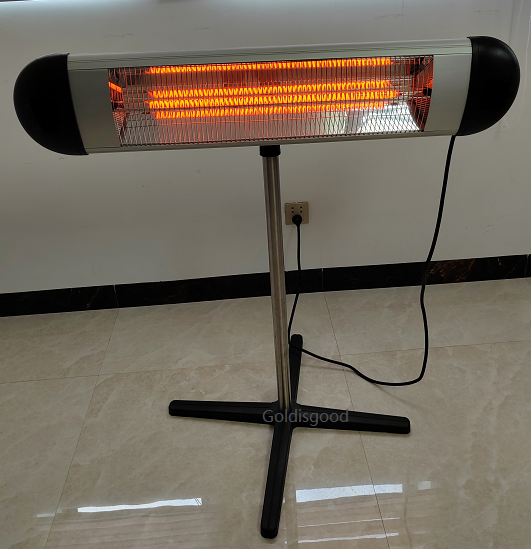
Why We Put Our Garage Heaters Through Hell Before They Reach You
We build wall-mounted infrared heaters for garages because you deserve warmth that’s direct, focused, and—most importantly—built to last. Not one that burns out before its time. So before any unit leaves our shop, we put it through the wringer. Hot and humid aging tests. Not because it looks good on a checklist. We do it because we want to know, for sure, that every part—the lamp, the quartz tube, the wiring, and the R7s connection—can handle the real-world grit of a garage or bathroom.
The Power Behind the Heat
Here’s the thing: these heaters are serious. We typically use a high-wattage shortwave infrared lamp, often around 2500W, running on 400V. That combo packs a ton of heat into a small footprint, so you get that fast, satisfying warm-up without needing a giant, clunky unit. The tube is usually about 300mm long. That keeps it compact enough to fit in tight spots on the wall, while still throwing heat exactly where you need it. But—and this is key—that 400V input means your electrical setup has to be up to the task. If the wiring or protection devices are undersized, you’ll get voltage drop and wear out the contactor way too soon. So spec it right from the start.
What’s Inside Matters
At the heart of it is the quartz envelope. We use it because it can handle rapid heating and cooling cycles without cracking under pressure. The tube is often filled with halogen gas and may have a special coating. This helps shape the heat output and keeps it consistent, even when the unit cycles on and off all day. And the connection? Almost always R7s. It’s a double-ended, high-temperature plug that makes replacing the lamp simple. It’s built to carry a heavy current and stay solid when things get hot. Just remember: even though it’s designed to be reliable, the lamp still needs to be seated properly. A loose fit creates hot spots and kills the lamp early.
Built for the Real World—Garages and Bathrooms
These heaters live in tough places. Moisture. Dust. Constant on-off cycling. That’s why our aging test isn’t just for show. We’re checking seals, watching terminals, and making sure the coating holds up under heat and humidity. We want to expose the weak points before they ever reach you. The payoff? A heater that kicks on fast, delivers focused warmth, and keeps doing its job over time. One note, though: the heat is intense. Plan your mounting height and clearance carefully to keep nearby materials safe.
Testing So You Don’t Have to Deal with Surprises
We test because we’d rather find problems in our shop than have them show up in yours. When a unit passes, it’s not by luck. We log everything—how stable the output is, how hot the terminals get, whether anything shifts or weakens. If something drifts, we catch it. Before it leaves.
The Bottom Line
We want this heater to work the way you expect. Install it, wire it right, and it runs. No drama. That said, even the best lamp has a finite life. So do it right: match the voltage, give it proper clearance, and treat the terminals with care. Do that, and you’ve got a system that performs—day after day.