Dealing With Those Pesky Cold Spots in Glass Annealing
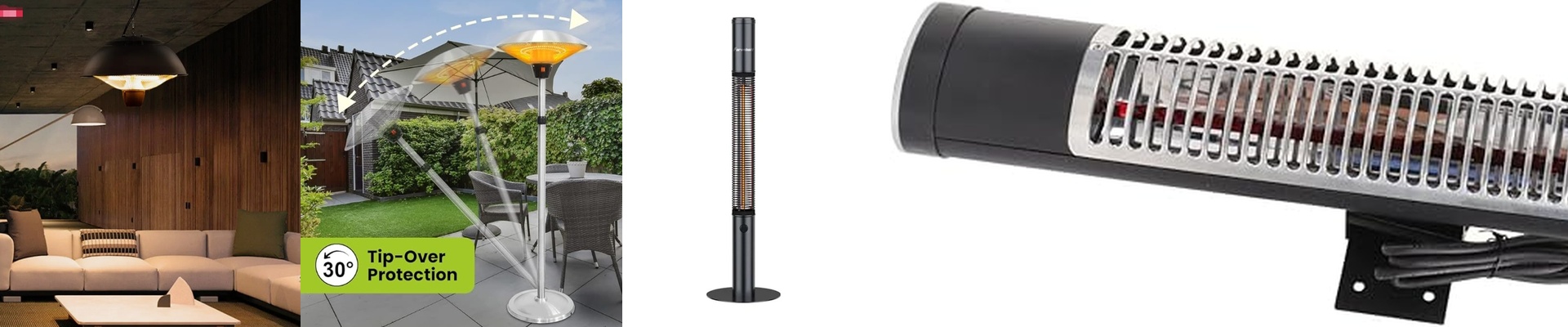
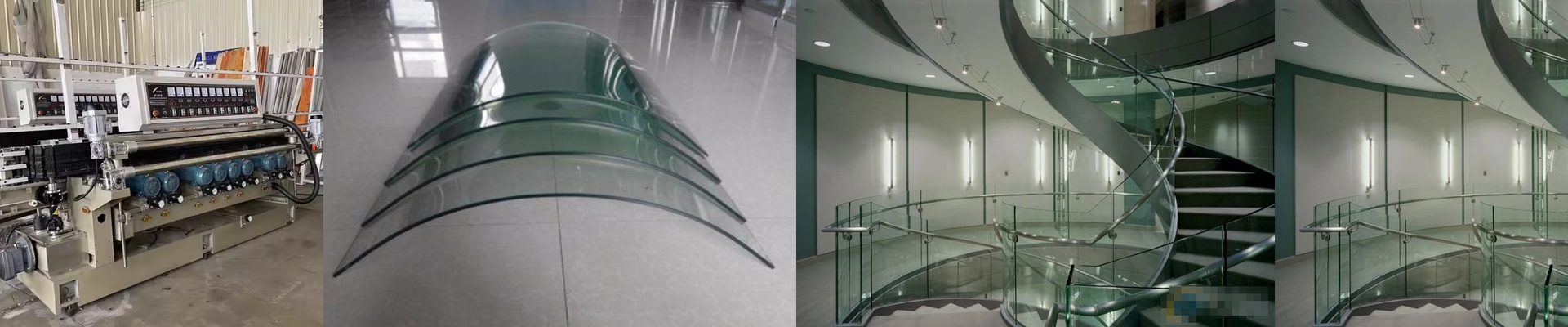
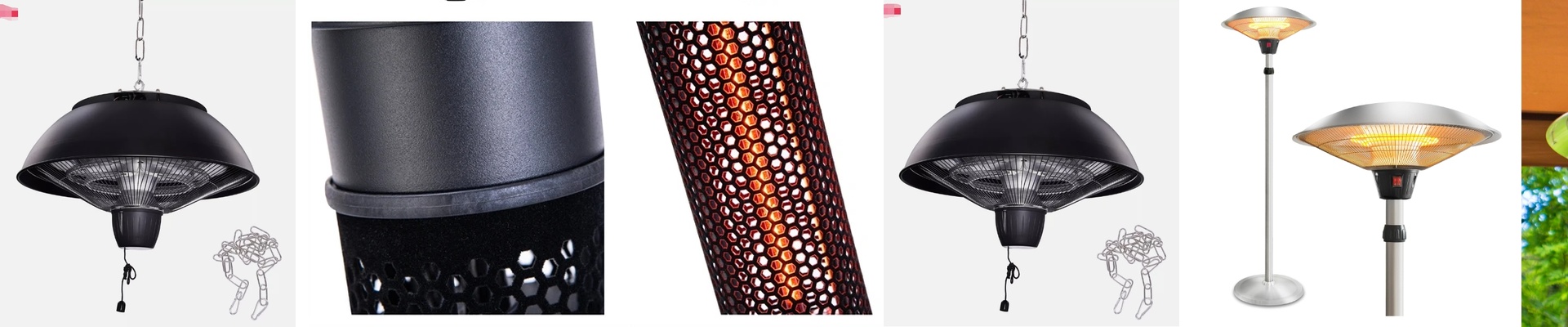
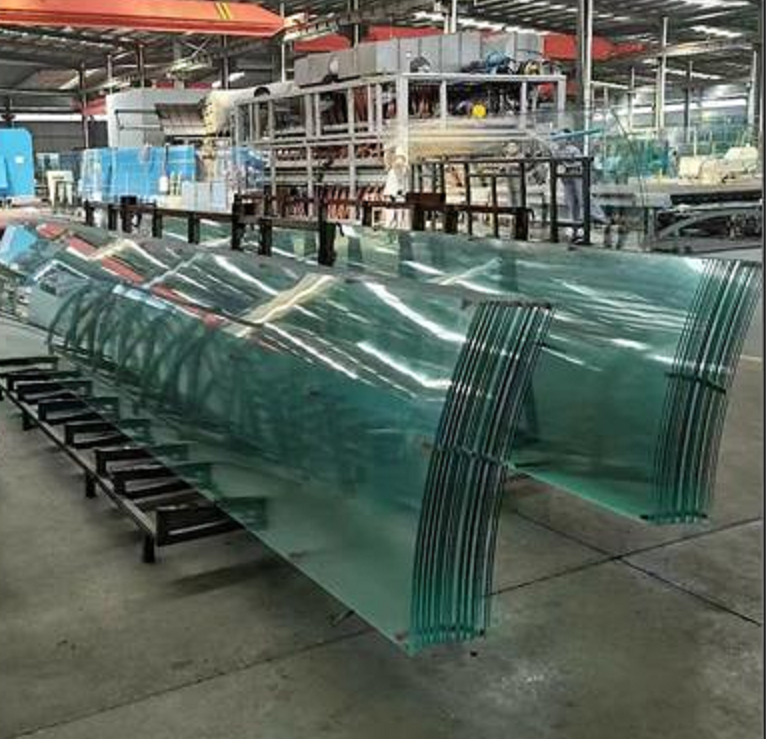
If you’ve ever worked with complex glass shapes, you know the headache of “dead zones.” You pull a piece out of a standard convection kiln and realize the deep recesses or tight corners just didn’t get enough heat. That leaves internal stress in the glass, and we all know how that ends. Usually with a loud pop and a lot of wasted time. We found a better way to handle this: tossing shortwave infrared (IR) lamps into the mix.
Getting the Heat Where It Actually Needs to Go
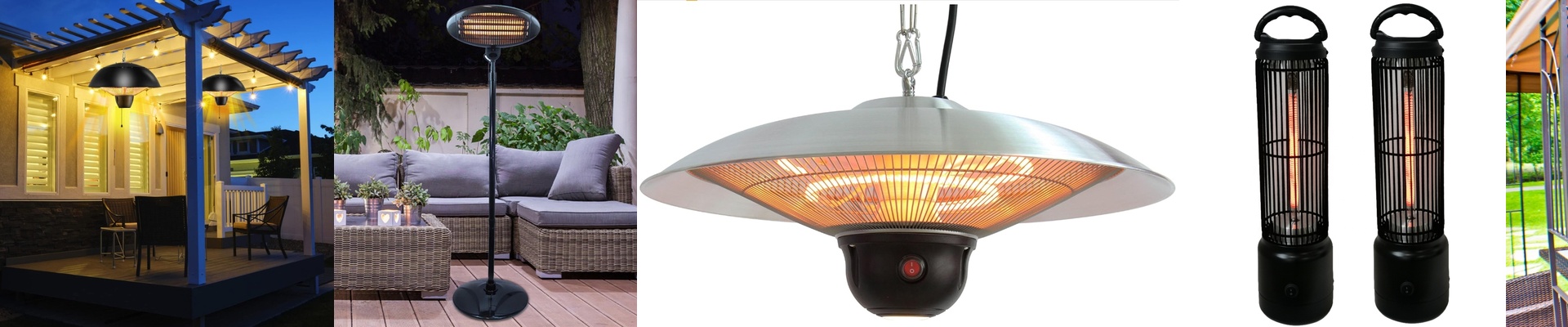
When you’re dealing with irregular surfaces, you can’t just hope the hot air finds its way in. You need raw heat density. We use quartz halogen lamps because they don’t just warm the air—they punch right through the glass surface. By setting these lamps up in a multi-angle array, you can basically “aim” the heat into those shadow areas where traditional kilns just give up. Just a heads-up: check your power supply first. High-wattage tubes give you the muscle needed for thick-walled glass, but they can hit your system with a nasty surge when they first kick on.
The Nitty-Gritty on Hardware
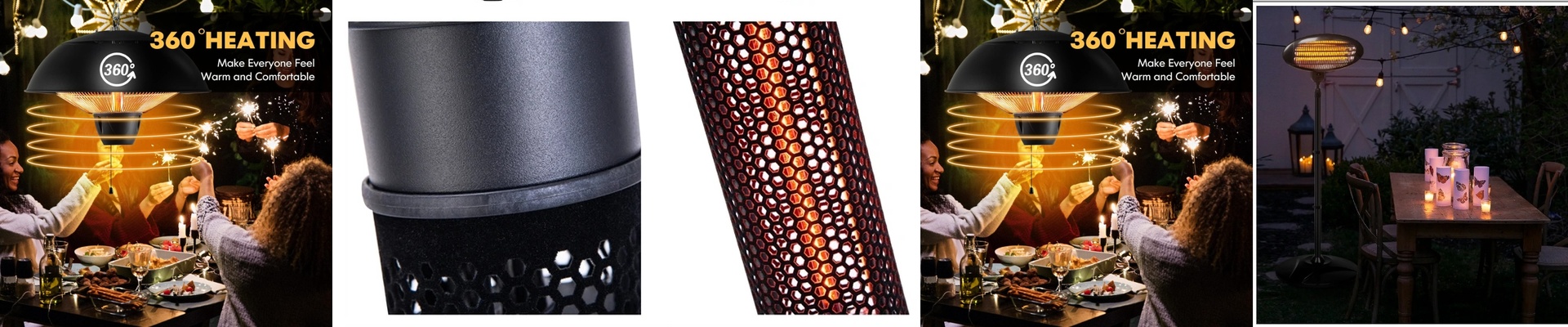
These aren’t your average lightbulbs. We use high-purity quartz envelopes so they don’t shatter when the temperature swings wildly. Depending on what kind of glass you’re running, we can add specific coatings to the quartz. This stops the energy from bouncing off the surface and forces the glass to actually soak it up. As for the setup, we stick with R7s or Sk15 bases. They’re easy to swap into most industrial heating banks and, more importantly, they stay tight. Even when the kiln is vibrating or expanding from the heat, you won’t have to worry about a loose connection.
The Trade-off
Here’s the catch: IR heating is fast. Like, really fast. It kills the dead zones and shreds your cycle times, which is great. But because it’s so intense, it’s easy to overshoot your target temperature if your PID controllers aren’t dialed in. To keep your pieces from warping or deforming, you’ll want to tuck your thermocouples right up against the glass surface. Keep a close eye on it, and you’re golden.