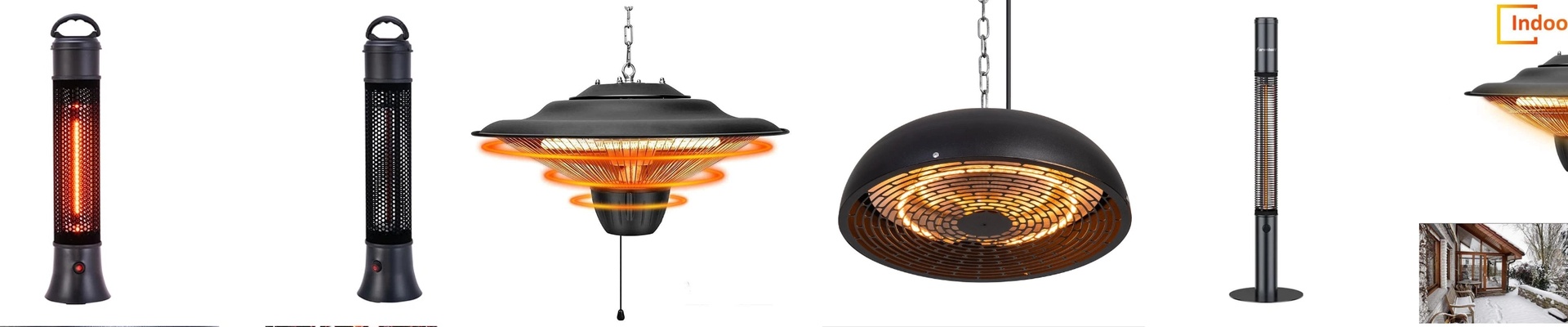
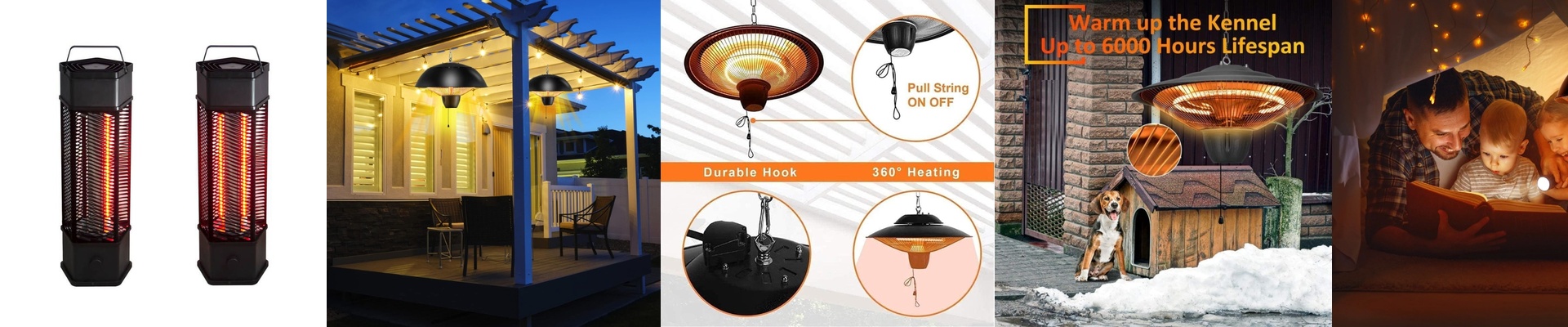
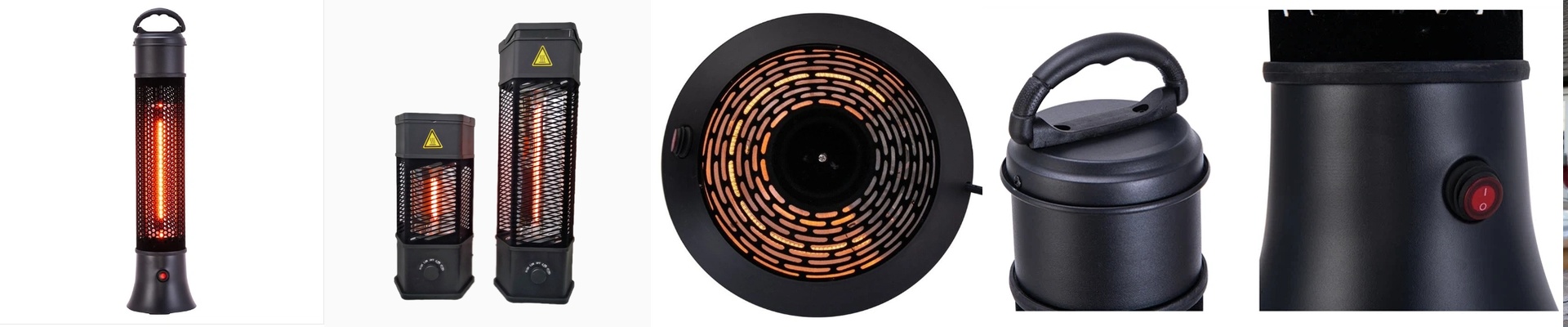
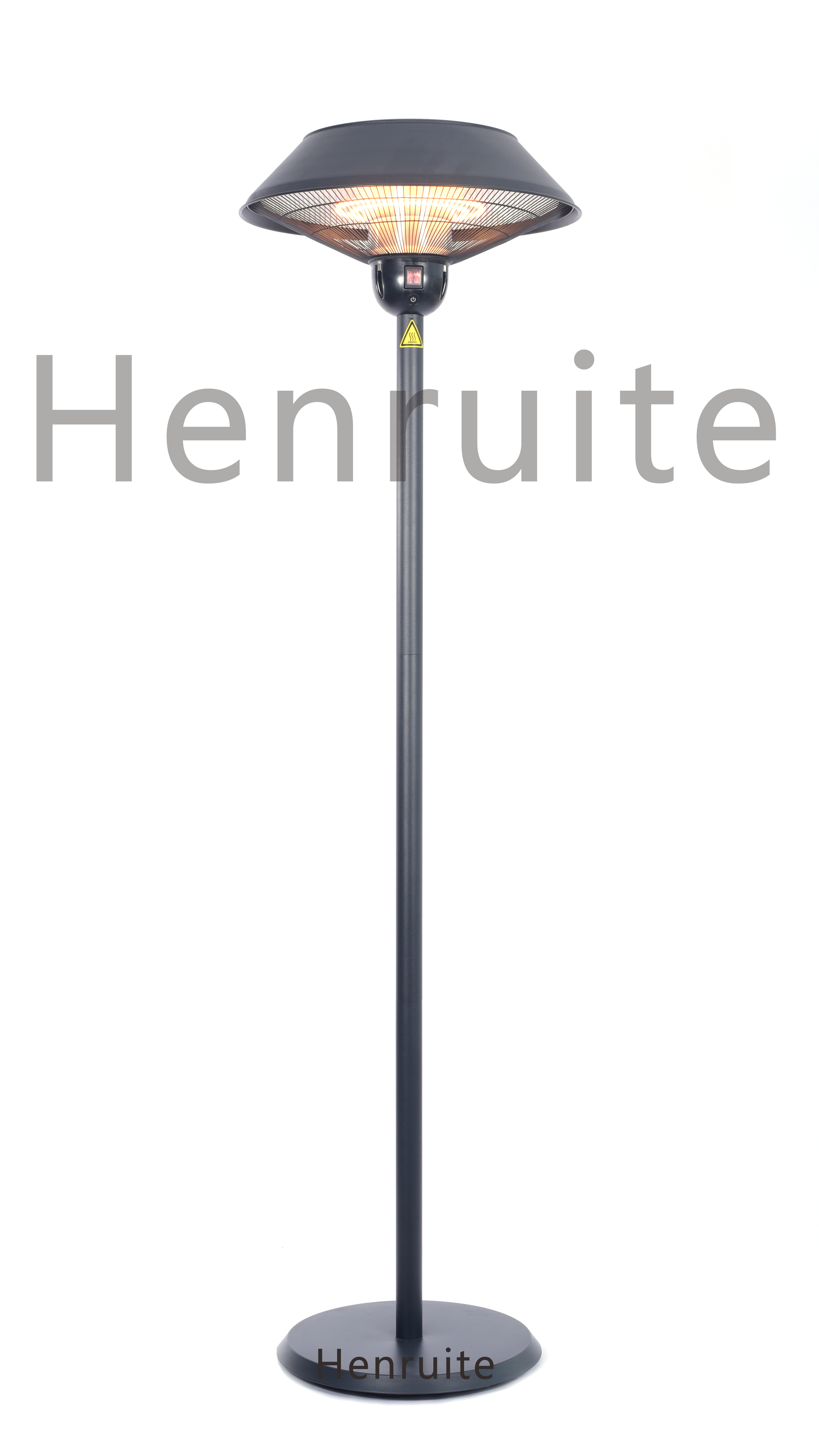
Why Your Patio Heaters Actually Die (And How We Fix It)
If you’ve ever run heaters on a nightclub patio, you know it’s a war zone. You’ve got high-wattage infrared lamps fighting against rain, humidity, and those wild temperature swings that happen the second the sun goes down. Most people think the heating element is what gives out. But honestly? It’s usually the lead-wire seal. Here is the problem: that little spot where the electrical wire meets the quartz tube is a massive weak point. Most companies use basic adhesives that just dry up and crack after a few weeks of heating up and cooling down. Once that seal cracks, moisture sneaks in. In a high-power system, that’s a recipe for disaster. The electricity finds a path it shouldn’t, things start to char, the insulation burns, and—pop—your heater is a paperweight. We do things differently. Instead of cheap silicone or low-temp glues that melt the moment things get hot, we use OEM-grade ceramic composites and high-voltage heat-shrink tubing. It creates a tight, airtight seal that doesn’t peel or shrink, even when the lamp is screaming hot. Plus, we make sure the wires have some breathing room. We build in tension relief so that if a wire gets tugged, it doesn’t rip the seal open. Without that, it’s only a matter of time before a gap opens up and lets the rain in. Now, there is a catch. If you make a seal too tight, you can actually trap heat right at the connection. If you crank up the wattage but don’t use a thicker wire or give the housing some air, you’ll melt the outer jacket. It’s a balancing act—keeping the water out without cooking the wires. We build these things to take a beating. By obsessing over that one tiny interface where the wire meets the tube, we stop the short circuits that usually kill these heaters after a single season.