


Why we’d rather visit your shop than just sell you a part
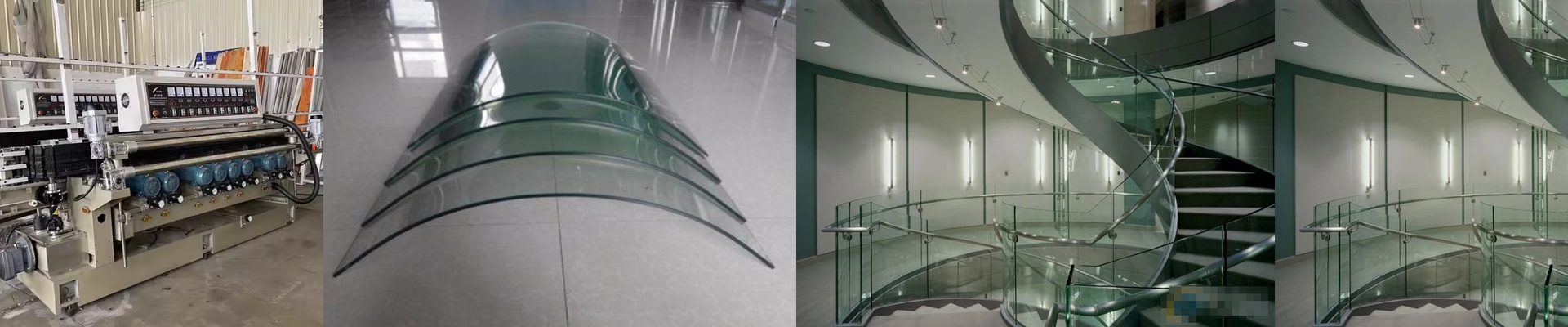
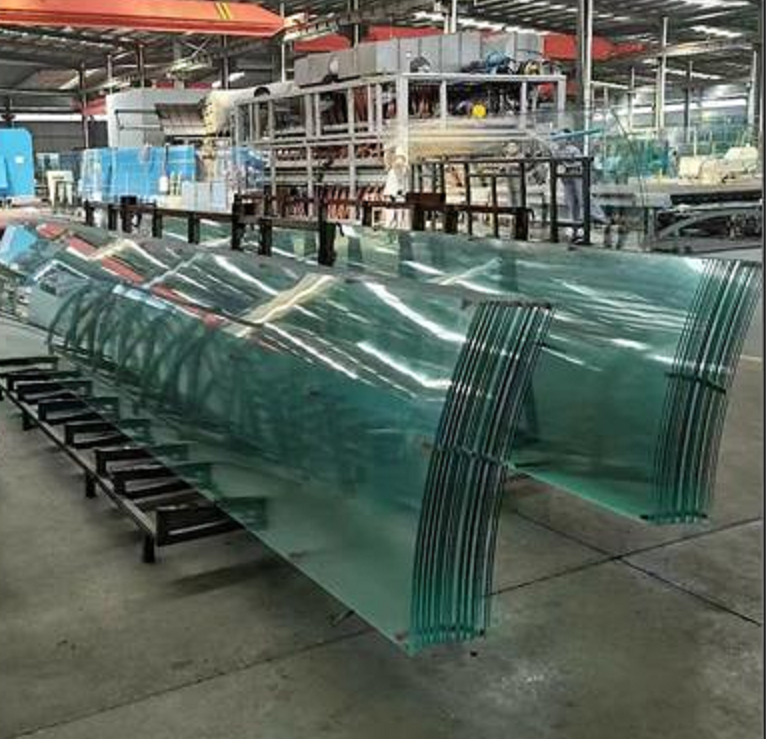
Selling a heating element is the easy part. Anyone can ship a tube in a box. The hard part? Actually getting that element to bend glass without it warping, distorting, or just plain cracking. Most people call us asking for a specific wattage or a certain length. But here’s the thing: those numbers don’t tell the whole story. What actually matters is how the heat behaves inside your specific machine.
The tricky bit about bending glass
Glass is finicky. To get it to bend right, you need a perfect “heat soak.” If the heat hits too hard, you get those ugly surface blisters. Too low? The glass just won’t slump into the mold. We stick with quartz-halogen tech because it ramps up fast and gives us a real grip on the infrared spectrum. And those voltage and wattage specs? They aren’t just numbers on a datasheet. They control the heat flux. A high-wattage tube gets you to the softening point quickly, sure, but it puts a massive strain on your power supply. If your wiring and contactors aren’t up for the surge, you’ll be burning through components every few months. It’s a headache you just don’t need.
The gear and the trade-offs
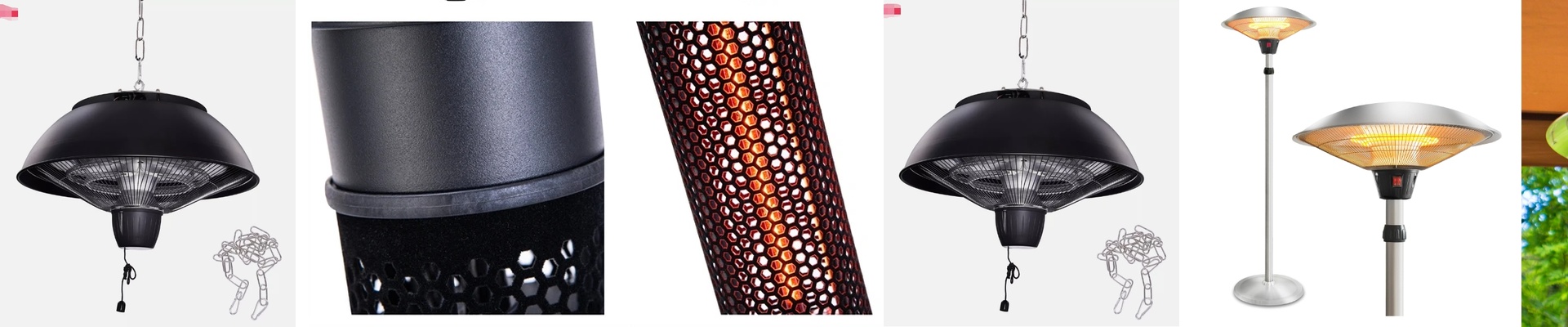
We use standard connectors like R7s or SK15 so you can just pop them in and get back to work. But the real secret is the coating on the quartz tube. A good coating bounces the heat back toward the glass instead of letting it bleed into the air. Still, there’s always a catch. High-intensity shortwave heaters are incredibly fast, but they’re temperamental. If the lamp is off by even a millimeter, you get “hot spots.”
Why we show up in person
We send our engineers to your floor because a catalog can’t tell us how cold your shop gets in January or how fast your conveyor is actually moving. We want to see your scrap rate. We want to see where the heat is uneven. By figuring out the heat distribution on-site, we can tweak the lamp spacing and power zoning. It ensures the glass bends evenly every single time. It beats the hell out of the “guess and check” method of replacing lamps blindly and hoping for the best.