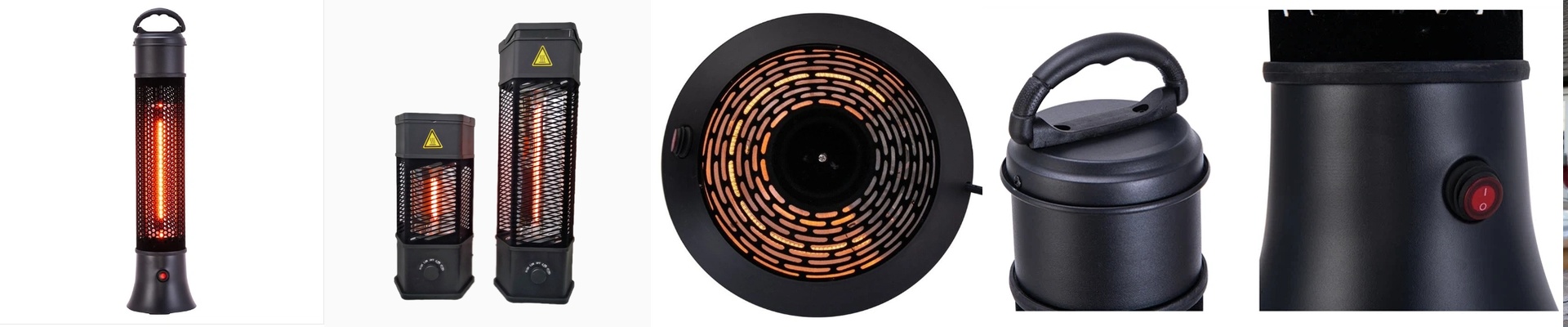
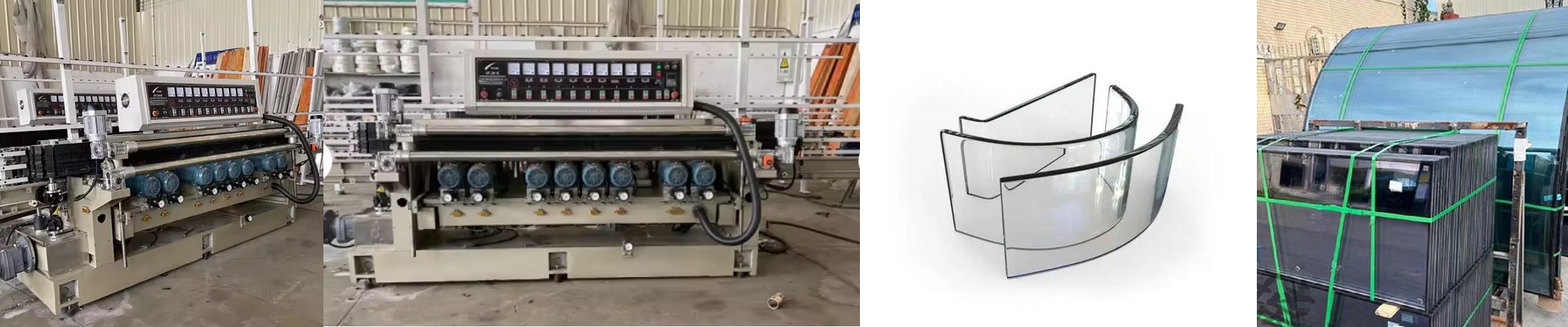
Cutting through ultra-thick glass is a nightmare. The biggest headache? Internal stress. When you push a cutting wheel into a cold, thick slab, the glass fights back. It’s stubborn. That resistance doesn’t just make the job harder—it eats your cutting wheels alive and leaves you with jagged, ugly breaks. We found a better way. We use high-penetration infrared (IR) annealing lamps to basically “prep” the glass, softening it right where you need to cut. How it actually works You can’t just use any old heater here. Standard long-wave heaters just bounce off the surface. We use short-wave IR because it actually sinks into the silica structure. Think of it as creating a localized “soft zone.” By warming up the path, the glass loses some of its fight. The cutting wheel doesn’t have to struggle anymore; it just glides through. Setting it up (and where people mess up) The best part is seeing your tool wear plummet. Your wheels last way longer because they aren’t battling raw, frozen glass. But you have to be careful with the distance. If the lamp is too close, you’ll overheat the surface and—pop—thermal shock. Too far, and the heat just scatters, leaving the core of the glass cold. I highly recommend using a solid mounting bracket. You need that gap to be exactly the same every single time. The honest truth about running these Here is the catch: these lamps are power-hungry and they get hot. Really hot. You can’t just plug these into a basic wall outlet and hope for the best. Your power supply needs to handle the peak load, and you absolutely need active ventilation. If your cooling is weak, you’re just going to fry your lamp sockets. Oh, and keep the reflectors clean. A little bit of dust might not seem like much, but it kills your heat projection. Keep them spotless and the system will actually do its job.