How to Stop Your Marine Glass from Cracking
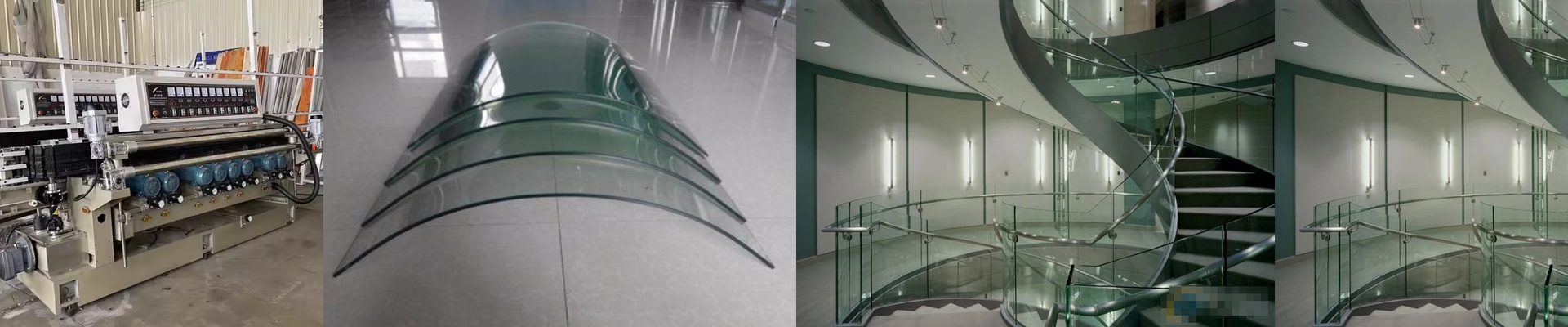
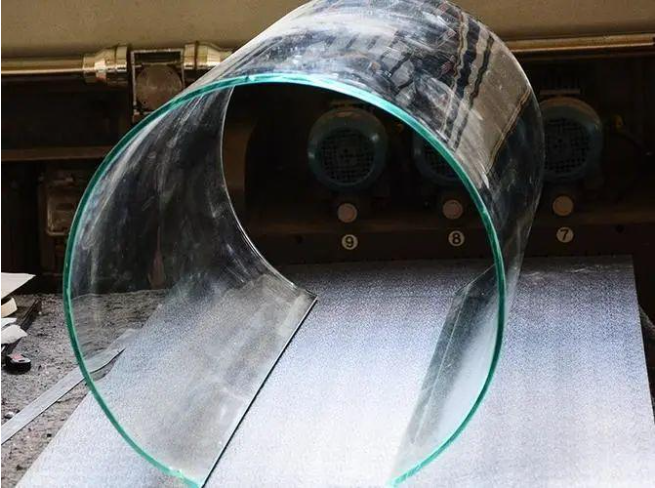
Tempering glass is a bit of a balancing act. If you push the heat too fast or cool things down unevenly, the whole piece just snaps. It’s frustrating, expensive, and a total waste of time. To get around this, we use shortwave infrared (IR) lamps for that “instant tempering” phase. Why? Because they let us change the power on the fly. Getting the heat just right You can’t just use slow-heating elements and hope for the best. That’s a recipe for disaster. Shortwave IR lamps hit their full temperature in milliseconds. We pair these with high-speed SCR controllers so you can throttle the power instantly. It’s like having a dimmer switch for a furnace. You can ramp up the heat until the glass softens, but you do it without creating those nasty hotspots that cause stress fractures. The gear behind the heat We build these heaters to pack a serious punch in a small space. We usually go with high-voltage setups—up to 400V—because you need that raw power to penetrate the glass quickly. The real hero here is the quartz envelope. It has to be tough enough to handle the screaming heat of the tungsten filament inside while pushing all that energy outward. And since downtime is a nightmare on a production line, we use R7s or Sk15 connectors. If a lamp pops, you just swap it out and keep moving. No one likes a stalled conveyor. The catch: Managing the heat Here’s the thing: when you’re dumping that much energy into marine-grade glass, the machine frame takes a hit. A lot of waste heat builds up. You’ve got to make sure your cooling fans and vents can actually keep up. If the housing gets too hot, your lamps are going to burn out way faster than they should. One last tip? Keep your reflectors clean. A little bit of dust might not seem like a big deal, but it reflects heat back into the lamp. That’s how you end up with a cracked quartz envelope and a dead heater.