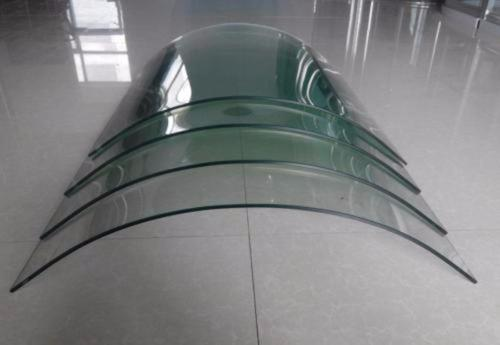
Stop Burning Money on Your Glass Annealing
Let’s be honest: annealing is usually the biggest power hog in the entire production line. Most old-school heating methods are just inefficient. They spend half their time heating up the air around the glass rather than the glass itself, and the ramp-up time is painfully slow. We do things differently. We use uniform infrared (IR) lamps that hit the glass directly. It’s faster. It’s cleaner. And it means your furnace doesn’t have to sit at peak temperature for nearly as long.
Getting the Heat Right
If your heating is uneven, you’re asking for trouble. Internal stress leads to cracks, and cracks lead to wasted product. To fix this, we focus on a consistent watt-per-centimeter ratio across the whole tube. By tweaking the filament density and keeping a tight grip on the voltage, we make sure the glass hits that annealing sweet spot without any dangerous hot spots. The best part? You aren’t wasting energy heating the room. You’re just heating the material.
The Gear Under the Hood
We use high-purity quartz envelopes for these lamps. Why? Because they can take the punch of rapid thermal cycling without snapping. Depending on how fast your line moves, you’ve got two choices: ***Shortwave emitters:**These hit the glass fast. If you’re running a high-throughput line, these are your best bet. Just keep in mind you’ll need to wipe them down more often; any grime on the surface blocks the heat. ***Medium-wave emitters:**A bit more steady, great for different speeds. Installing them isn’t a headache, either. We use standard connectors, so you can just swap out those clunky, inefficient old elements and plug these right in.
The Trade-off (The Honest Truth)
Here’s the thing: when you switch to high-density IR lamps, you’re pumping out a lot more heat flux. Your electricity bills will drop and your annealing will speed up, but that intensity comes with a price. Your housing and support brackets are going to feel the heat. Literally. If you don’t have your cooling fans and ventilation dialed in, the ambient temperature around the mounts will climb, and your housing will wear out way faster than it should. Just make sure your airflow is solid, and you’ll be golden.